
All Photos
21875 photos found
JPG - 1080
x 720
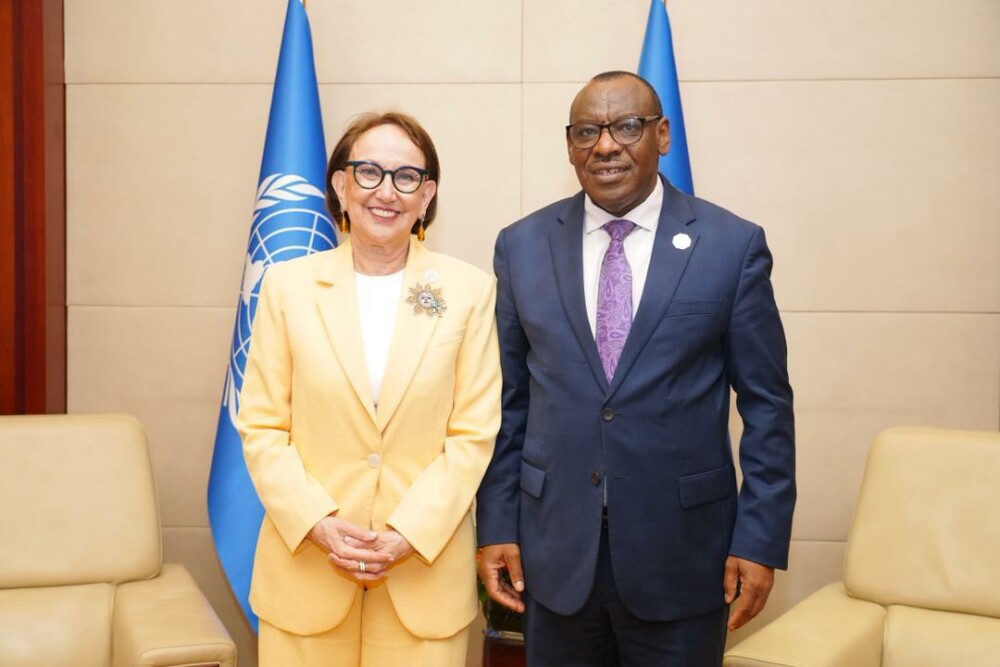
SG Rebeca Grynspan at the 39th African Union Summit
UN Trade and Development Secretary-General Rebeca Grynspan meets with the Executive Secretary of the United Nations Economic Commission for Africa (ECA) on the sidelines of the 39th Session of the African Union Summit. The discussion focused on strengthening collaboration and UN Trade and Development’s support to advance the African Union’s agenda, including regional integration, trade, sustainable development and economic transformation across the continent.
flickr-55096869684.jpg

JPG - 3022
x 3022
SG Rebeca Grynspan at the 39th African Union Summit
UN Trade and Development Secretary-General Rebeca Grynspan participates in the 39th African Union (AU) Summit, convening leaders from the AU’s 55 member states. Established in 2002 as the successor to the Organisation of African Unity (1963–1999), the African Union serves as the continent’s principal body for advancing integration, cooperation and sustainable development.
On the margins of the Summit, the SG met with H.E. Mr. Gamal Mohamed Hassan, Minister of Commerce and Industry, to discuss national economic priorities and opportunities for collaboration. Their exchange focused on regional integration, digital trade, trade negotiations, the green economy and investment facilitation, reinforcing UN Trade and Development’s commitment to supporting Africa’s economic transformation and sustainable growth.
flickr-55095894605.jpg
JPG - 1080
x 810
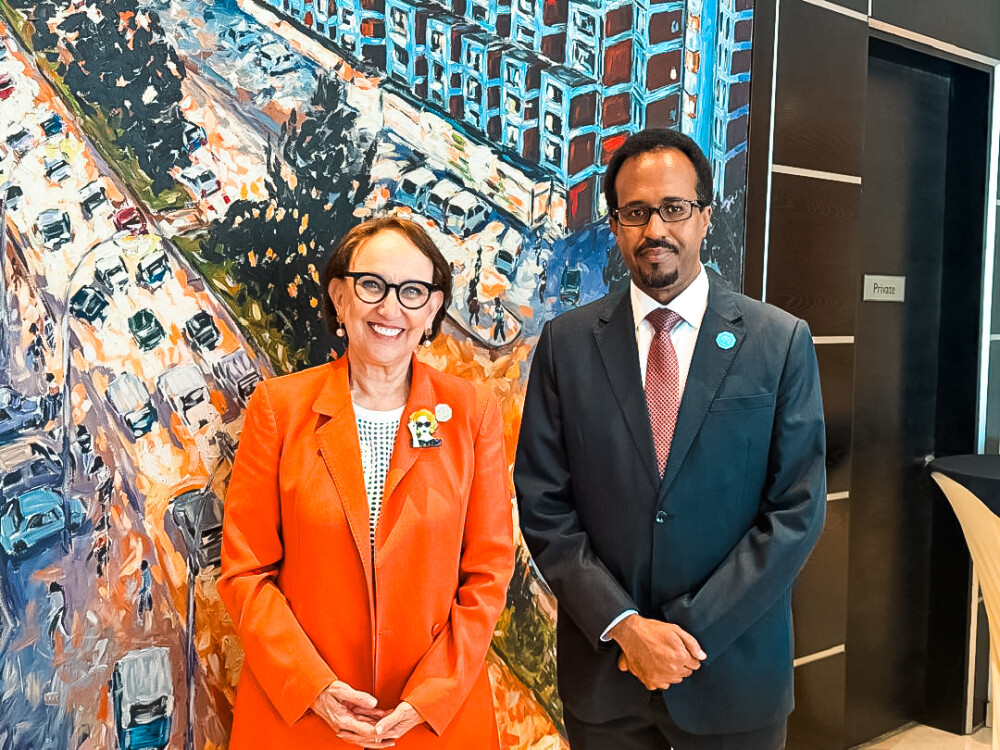
SG Rebeca Grynspan at the 39th African Union Summit
UN Trade and Development Secretary-General Rebeca Grynspan participates in the 39th African Union (AU) Summit, convening leaders from the AU’s 55 member states. Established in 2002 as the successor to the Organisation of African Unity (1963–1999), the African Union serves as the continent’s principal body for advancing integration, cooperation and sustainable development.
On the margins of the Summit, the SG met with H.E. Mr. Gamal Mohamed Hassan, Minister of Commerce and Industry, to discuss national economic priorities and opportunities for collaboration. Their exchange focused on regional integration, digital trade, trade negotiations, the green economy and investment facilitation, reinforcing UN Trade and Development’s commitment to supporting Africa’s economic transformation and sustainable growth.
flickr-55095520301.jpg
JPG - 1080
x 720
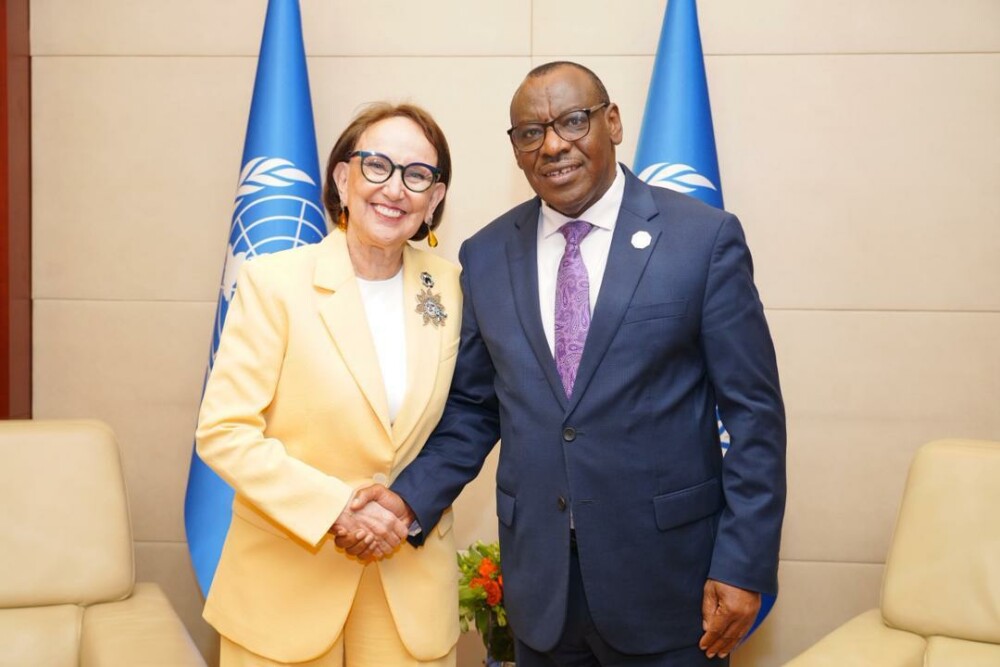
SG Rebeca Grynspan at the 39th African Union Summit
UN Trade and Development Secretary-General Rebeca Grynspan meets with the Executive Secretary of the United Nations Economic Commission for Africa (ECA) on the sidelines of the 39th Session of the African Union Summit. The discussion focused on strengthening collaboration and UN Trade and Development’s support to advance the African Union’s agenda, including regional integration, trade, sustainable development and economic transformation across the continent.
flickr-55096972910.jpg
JPG - 1492
x 839
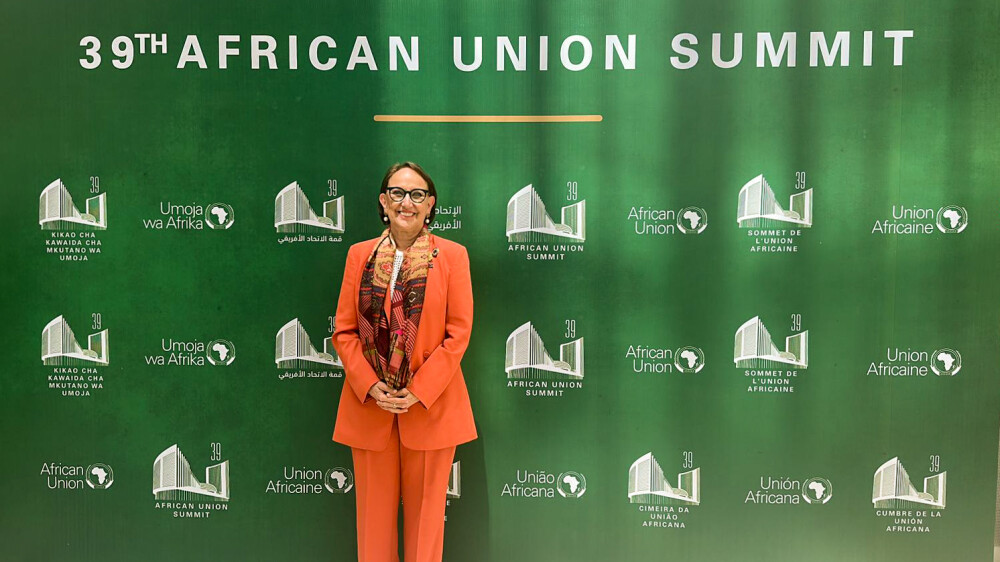
SG Rebeca Grynspan at the 39th African Union Summit
UN Trade and Development Secretary-General Rebeca Grynspan participates in the 39th African Union (AU) Summit, convening leaders from the AU’s 55 member states. Established in 2002 as the successor to the Organisation of African Unity (1963–1999), the African Union serves as the continent’s principal body for advancing integration, cooperation and sustainable development.
On the margins of the Summit, the SG met with H.E. Mr. Gamal Mohamed Hassan, Minister of Commerce and Industry, to discuss national economic priorities and opportunities for collaboration. Their exchange focused on regional integration, digital trade, trade negotiations, the green economy and investment facilitation, reinforcing UN Trade and Development’s commitment to supporting Africa’s economic transformation and sustainable growth.
flickr-55094642557.jpg
JPG - 1541
x 963
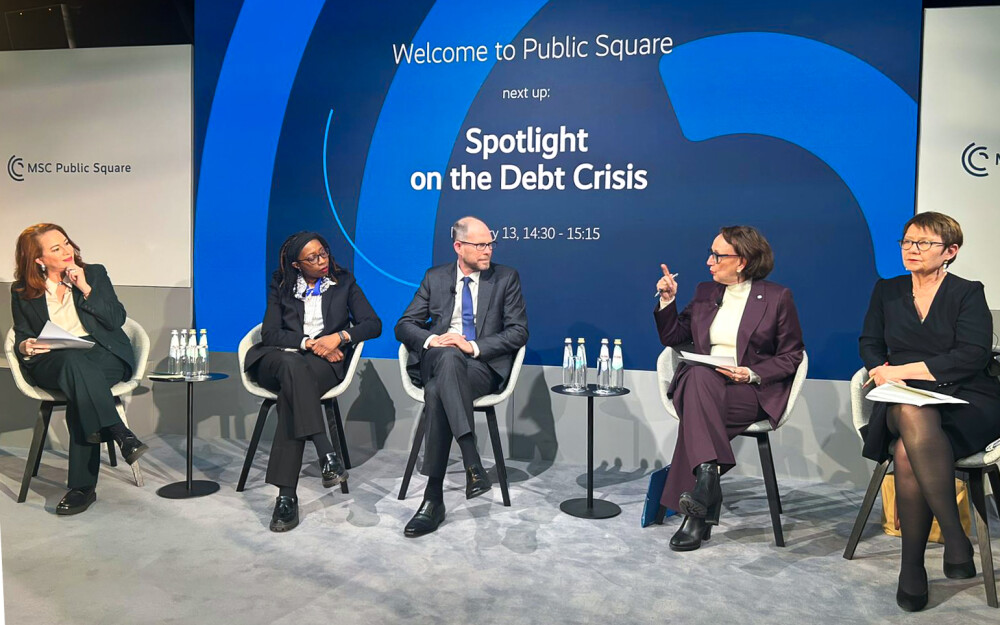
SG Rebeca Grynspan at the Munich Security Conference 2026
UN Trade and Development Secretary-General Rebeca Grynspan participates in the 62nd Munich Security Conference (MSC), held from 13–15 February 2026 at the Hotel Bayerischer Hof and Rosewood Munich. The MSC convenes heads of state and government, ministers, and global leaders to debate the most pressing foreign and security policy challenges at a time of mounting geopolitical instability and strains on the rules-based international order.
On 13 February, the SG spoke at the session “Debt Crisis”, addressing the global debt challenges facing developing economies and their implications for stability, development and international cooperation.
flickr-55093946960.jpg
JPG - 1600
x 1000
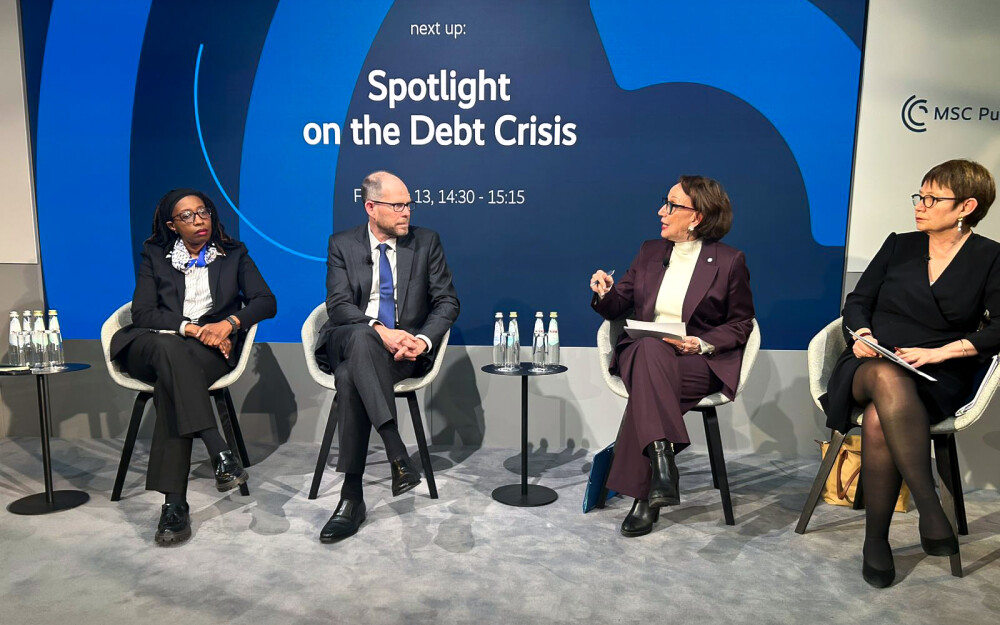
SG Rebeca Grynspan at the Munich Security Conference 2026
UN Trade and Development Secretary-General Rebeca Grynspan participates in the 62nd Munich Security Conference (MSC), held from 13–15 February 2026 at the Hotel Bayerischer Hof and Rosewood Munich. The MSC convenes heads of state and government, ministers, and global leaders to debate the most pressing foreign and security policy challenges at a time of mounting geopolitical instability and strains on the rules-based international order.
On 13 February, the SG spoke at the session “Debt Crisis”, addressing the global debt challenges facing developing economies and their implications for stability, development and international cooperation.
flickr-55093788048.jpg
JPG - 4734
x 3156
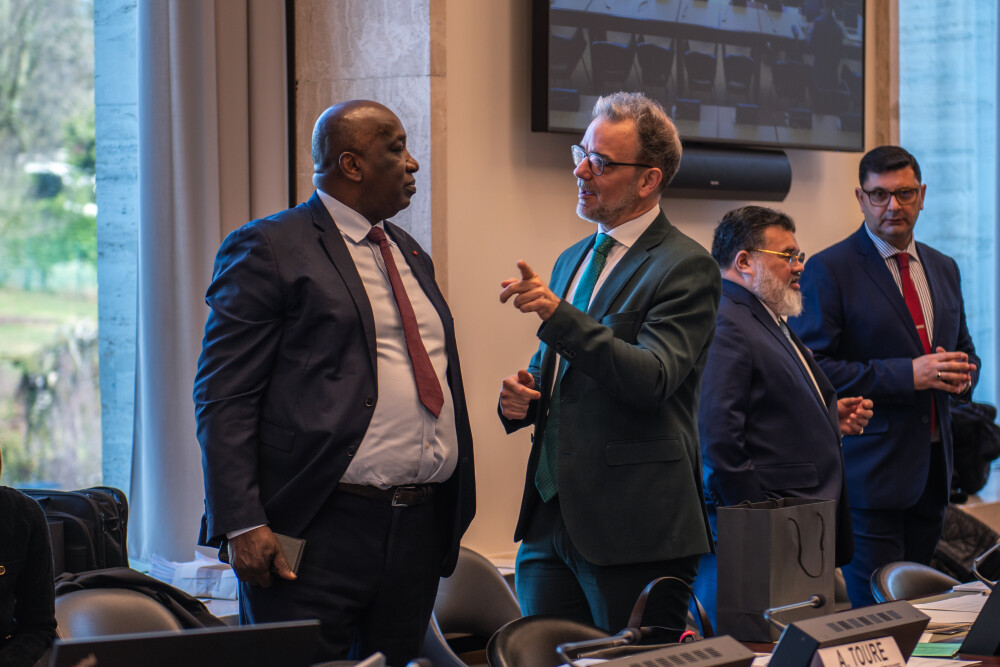
DSG Pedro Manuel Moreno Speaks at United Nations Cocoa Conference 2026
Pedro Manuel Moreno, Deputy Secretary-General of UN Trade and Development, delivers the opening remarks at the United Nations Cocoa Conference on 13 February 2026, during the opening plenary meeting (10:00 a.m.–1:00 p.m.). He spoke alongside H.E. Mr. Aly Touré, Permanent Representative of Côte d’Ivoire to the International Cocoa Organization (ICCO).
The Conference, convened at the request of the International Cocoa Council and transmitted to the UNCTAD Secretary-General by the Executive Director of the ICCO, focuses on the future of the cocoa sector, including sustainability, trade and regulatory frameworks.
The 2026 Conference aims to present and advance a successor agreement to the International Cocoa Agreement, 2010. Held alongside a Special Session of the International Cocoa Council, the meeting will culminate in the opening for signature and provisional application of the International Cocoa Agreement, 2026 by potential Contracting Parties.
Learn more: <a href="https://unctad.org/meeting/united-nations-cocoa-conference-2026" rel="noreferrer nofollow">unctad.org/meeting/united-nations-cocoa-conference-2026</a>
Photo Credit: UN Trade & Development/Conor Boers
flickr-55092473627.jpg
JPG - 5036
x 3357
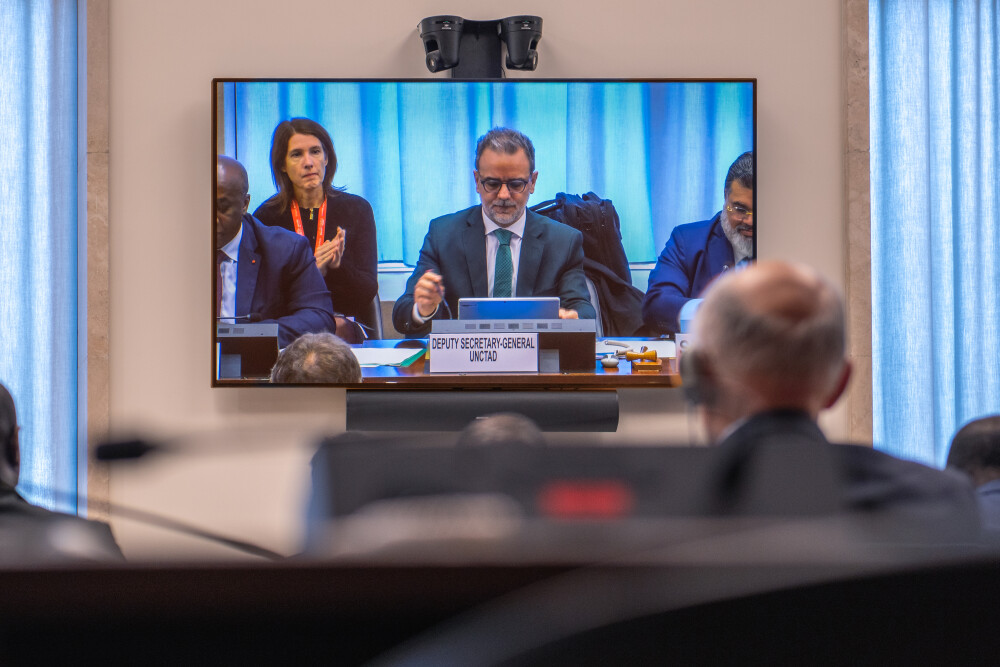
DSG Pedro Manuel Moreno Speaks at United Nations Cocoa Conference 2026
Pedro Manuel Moreno, Deputy Secretary-General of UN Trade and Development, delivers the opening remarks at the United Nations Cocoa Conference on 13 February 2026, during the opening plenary meeting (10:00 a.m.–1:00 p.m.). He spoke alongside H.E. Mr. Aly Touré, Permanent Representative of Côte d’Ivoire to the International Cocoa Organization (ICCO).
The Conference, convened at the request of the International Cocoa Council and transmitted to the UNCTAD Secretary-General by the Executive Director of the ICCO, focuses on the future of the cocoa sector, including sustainability, trade and regulatory frameworks.
The 2026 Conference aims to present and advance a successor agreement to the International Cocoa Agreement, 2010. Held alongside a Special Session of the International Cocoa Council, the meeting will culminate in the opening for signature and provisional application of the International Cocoa Agreement, 2026 by potential Contracting Parties.
Learn more: <a href="https://unctad.org/meeting/united-nations-cocoa-conference-2026" rel="noreferrer nofollow">unctad.org/meeting/united-nations-cocoa-conference-2026</a>
Photo Credit: UN Trade & Development/Conor Boers
flickr-55093722090.jpg
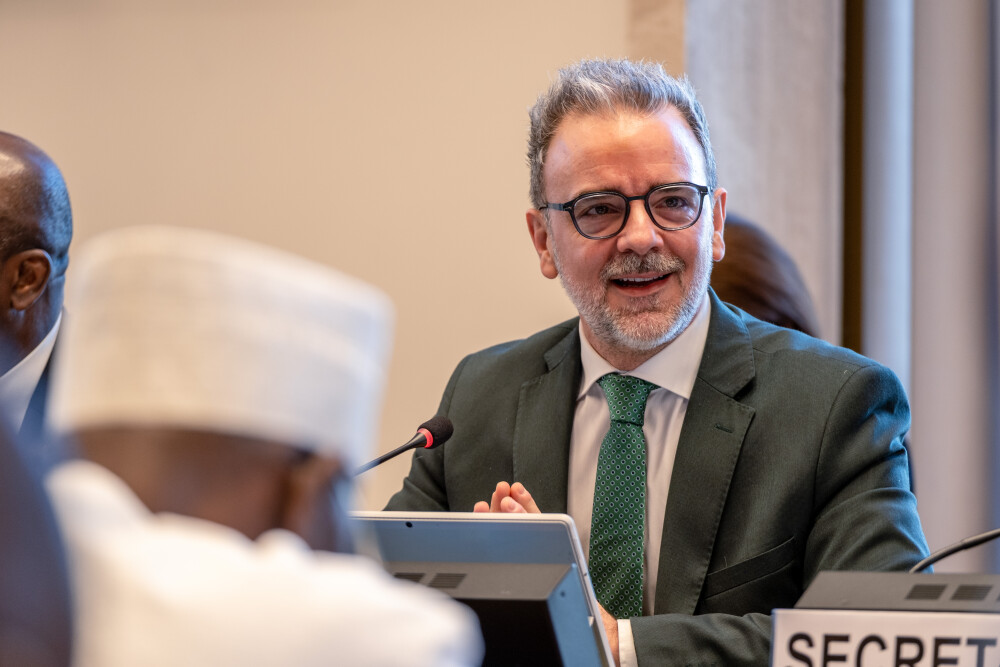
JPG - 6860
x 4573
DSG Pedro Manuel Moreno Speaks at United Nations Cocoa Conference 2026
Pedro Manuel Moreno, Deputy Secretary-General of UN Trade and Development, delivers the opening remarks at the United Nations Cocoa Conference on 13 February 2026, during the opening plenary meeting (10:00 a.m.–1:00 p.m.). He spoke alongside H.E. Mr. Aly Touré, Permanent Representative of Côte d’Ivoire to the International Cocoa Organization (ICCO).
The Conference, convened at the request of the International Cocoa Council and transmitted to the UNCTAD Secretary-General by the Executive Director of the ICCO, focuses on the future of the cocoa sector, including sustainability, trade and regulatory frameworks.
The 2026 Conference aims to present and advance a successor agreement to the International Cocoa Agreement, 2010. Held alongside a Special Session of the International Cocoa Council, the meeting will culminate in the opening for signature and provisional application of the International Cocoa Agreement, 2026 by potential Contracting Parties.
Learn More: <a href="https://unctad.org/meeting/united-nations-cocoa-conference-2026" rel="noreferrer nofollow">unctad.org/meeting/united-nations-cocoa-conference-2026</a>
Photo Credit: UN Trade & Development/ Andie Riedel
flickr-55092530602.jpg
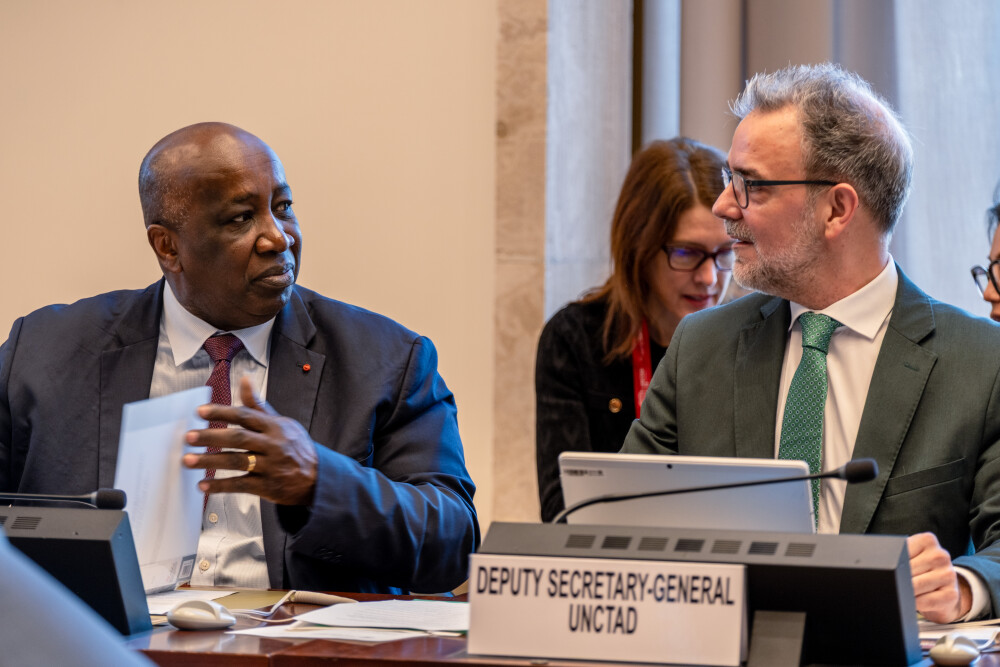
JPG - 7157
x 4771
DSG Pedro Manuel Moreno Speaks at United Nations Cocoa Conference 2026
Pedro Manuel Moreno, Deputy Secretary-General of UN Trade and Development, delivers the opening remarks at the United Nations Cocoa Conference on 13 February 2026, during the opening plenary meeting (10:00 a.m.–1:00 p.m.). He spoke alongside H.E. Mr. Aly Touré, Permanent Representative of Côte d’Ivoire to the International Cocoa Organization (ICCO).
The Conference, convened at the request of the International Cocoa Council and transmitted to the UNCTAD Secretary-General by the Executive Director of the ICCO, focuses on the future of the cocoa sector, including sustainability, trade and regulatory frameworks.
The 2026 Conference aims to present and advance a successor agreement to the International Cocoa Agreement, 2010. Held alongside a Special Session of the International Cocoa Council, the meeting will culminate in the opening for signature and provisional application of the International Cocoa Agreement, 2026 by potential Contracting Parties.
Learn More: <a href="https://unctad.org/meeting/united-nations-cocoa-conference-2026" rel="noreferrer nofollow">unctad.org/meeting/united-nations-cocoa-conference-2026</a>
Photo Credit: UN Trade & Development/ Andie Riedel
flickr-55093617263.jpg
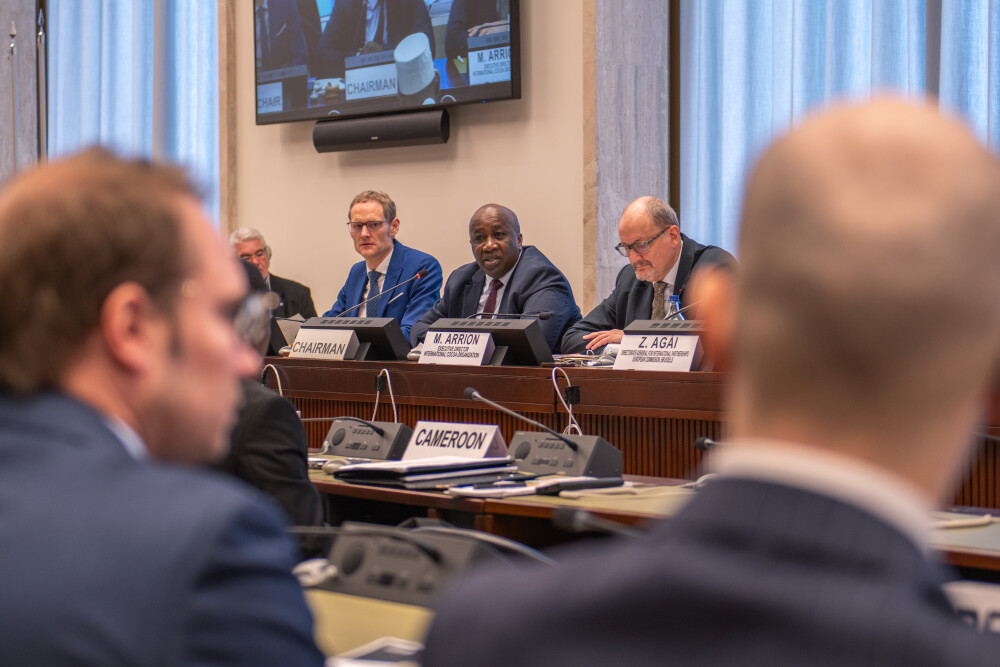
JPG - 5334
x 3556
DSG Pedro Manuel Moreno Speaks at United Nations Cocoa Conference 2026
Pedro Manuel Moreno, Deputy Secretary-General of UN Trade and Development, delivers the opening remarks at the United Nations Cocoa Conference on 13 February 2026, during the opening plenary meeting (10:00 a.m.–1:00 p.m.). He spoke alongside H.E. Mr. Aly Touré, Permanent Representative of Côte d’Ivoire to the International Cocoa Organization (ICCO).
The Conference, convened at the request of the International Cocoa Council and transmitted to the UNCTAD Secretary-General by the Executive Director of the ICCO, focuses on the future of the cocoa sector, including sustainability, trade and regulatory frameworks.
The 2026 Conference aims to present and advance a successor agreement to the International Cocoa Agreement, 2010. Held alongside a Special Session of the International Cocoa Council, the meeting will culminate in the opening for signature and provisional application of the International Cocoa Agreement, 2026 by potential Contracting Parties.
Learn more: <a href="https://unctad.org/meeting/united-nations-cocoa-conference-2026" rel="noreferrer nofollow">unctad.org/meeting/united-nations-cocoa-conference-2026</a>
Photo Credit: UN Trade & Development/Conor Boers
flickr-55092473652.jpg
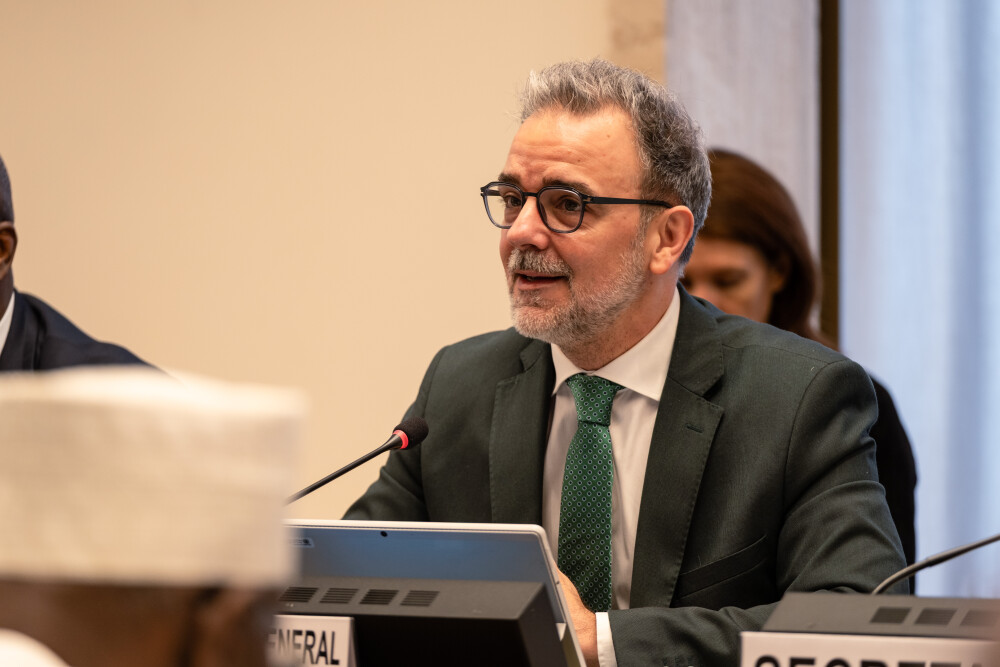
JPG - 7171
x 4781
DSG Pedro Manuel Moreno Speaks at United Nations Cocoa Conference 2026
Pedro Manuel Moreno, Deputy Secretary-General of UN Trade and Development, delivers the opening remarks at the United Nations Cocoa Conference on 13 February 2026, during the opening plenary meeting (10:00 a.m.–1:00 p.m.). He spoke alongside H.E. Mr. Aly Touré, Permanent Representative of Côte d’Ivoire to the International Cocoa Organization (ICCO).
The Conference, convened at the request of the International Cocoa Council and transmitted to the UNCTAD Secretary-General by the Executive Director of the ICCO, focuses on the future of the cocoa sector, including sustainability, trade and regulatory frameworks.
The 2026 Conference aims to present and advance a successor agreement to the International Cocoa Agreement, 2010. Held alongside a Special Session of the International Cocoa Council, the meeting will culminate in the opening for signature and provisional application of the International Cocoa Agreement, 2026 by potential Contracting Parties.
Learn More: <a href="https://unctad.org/meeting/united-nations-cocoa-conference-2026" rel="noreferrer nofollow">unctad.org/meeting/united-nations-cocoa-conference-2026</a>
Photo Credit: UN Trade & Development/ Andie Riedel
flickr-55093776410.jpg
JPG - 4421
x 2947
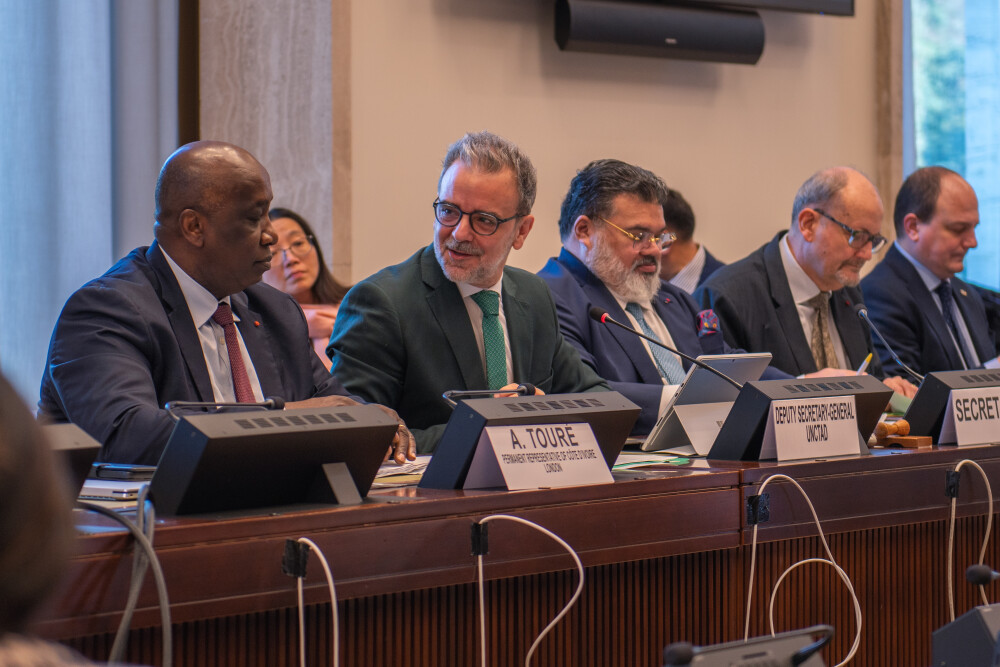
DSG Pedro Manuel Moreno Speaks at United Nations Cocoa Conference 2026
Pedro Manuel Moreno, Deputy Secretary-General of UN Trade and Development, delivers the opening remarks at the United Nations Cocoa Conference on 13 February 2026, during the opening plenary meeting (10:00 a.m.–1:00 p.m.). He spoke alongside H.E. Mr. Aly Touré, Permanent Representative of Côte d’Ivoire to the International Cocoa Organization (ICCO).
The Conference, convened at the request of the International Cocoa Council and transmitted to the UNCTAD Secretary-General by the Executive Director of the ICCO, focuses on the future of the cocoa sector, including sustainability, trade and regulatory frameworks.
The 2026 Conference aims to present and advance a successor agreement to the International Cocoa Agreement, 2010. Held alongside a Special Session of the International Cocoa Council, the meeting will culminate in the opening for signature and provisional application of the International Cocoa Agreement, 2026 by potential Contracting Parties.
Learn more: <a href="https://unctad.org/meeting/united-nations-cocoa-conference-2026" rel="noreferrer nofollow">unctad.org/meeting/united-nations-cocoa-conference-2026</a>
Photo Credit: UN Trade & Development/Conor Boers
flickr-55093626824.jpg
JPG - 5515
x 3677
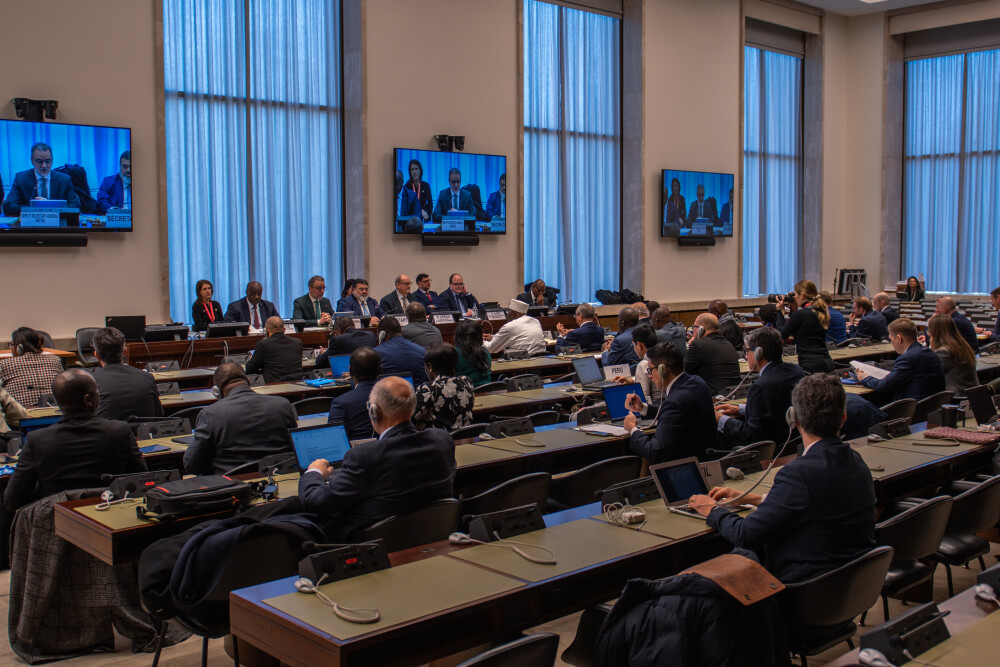
DSG Pedro Manuel Moreno Speaks at United Nations Cocoa Conference 2026
Pedro Manuel Moreno, Deputy Secretary-General of UN Trade and Development, delivers the opening remarks at the United Nations Cocoa Conference on 13 February 2026, during the opening plenary meeting (10:00 a.m.–1:00 p.m.). He spoke alongside H.E. Mr. Aly Touré, Permanent Representative of Côte d’Ivoire to the International Cocoa Organization (ICCO).
The Conference, convened at the request of the International Cocoa Council and transmitted to the UNCTAD Secretary-General by the Executive Director of the ICCO, focuses on the future of the cocoa sector, including sustainability, trade and regulatory frameworks.
The 2026 Conference aims to present and advance a successor agreement to the International Cocoa Agreement, 2010. Held alongside a Special Session of the International Cocoa Council, the meeting will culminate in the opening for signature and provisional application of the International Cocoa Agreement, 2026 by potential Contracting Parties.
Learn more: <a href="https://unctad.org/meeting/united-nations-cocoa-conference-2026" rel="noreferrer nofollow">unctad.org/meeting/united-nations-cocoa-conference-2026</a>
Photo Credit: UN Trade & Development/Conor Boers
flickr-55093722100.jpg
JPG - 6344
x 4229
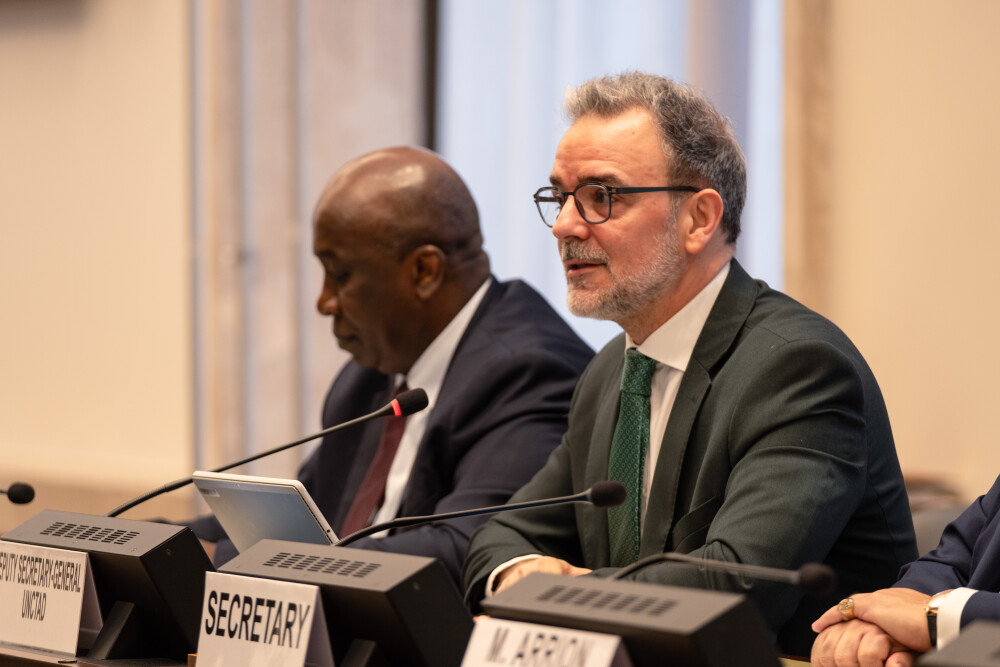
DSG Pedro Manuel Moreno Speaks at United Nations Cocoa Conference 2026
Pedro Manuel Moreno, Deputy Secretary-General of UN Trade and Development, delivers the opening remarks at the United Nations Cocoa Conference on 13 February 2026, during the opening plenary meeting (10:00 a.m.–1:00 p.m.). He spoke alongside H.E. Mr. Aly Touré, Permanent Representative of Côte d’Ivoire to the International Cocoa Organization (ICCO).
The Conference, convened at the request of the International Cocoa Council and transmitted to the UNCTAD Secretary-General by the Executive Director of the ICCO, focuses on the future of the cocoa sector, including sustainability, trade and regulatory frameworks.
The 2026 Conference aims to present and advance a successor agreement to the International Cocoa Agreement, 2010. Held alongside a Special Session of the International Cocoa Council, the meeting will culminate in the opening for signature and provisional application of the International Cocoa Agreement, 2026 by potential Contracting Parties.
Learn More: <a href="https://unctad.org/meeting/united-nations-cocoa-conference-2026" rel="noreferrer nofollow">unctad.org/meeting/united-nations-cocoa-conference-2026</a>
Photo Credit: UN Trade & Development/ Andie Riedel
flickr-55093776480.jpg

JPG - 7008
x 4672
The least developed countries report 2025
UN Trade and Development Secretary-General Rebeca Grynspan speaks at the launch of the LDC 2025 Report at the Palais des Nations in Geneva on 10 February 2026. The event highlighted the growing role of services in least developed countries (LDCs) and examined whether services can become a genuine driver of structural transformation.
The launch featured contributions from Junior Davis, Officer-in-Charge of the Division for Africa, Least Developed Countries and Special Programmes (ALDC), and Matfobhi Riba, Economic Affairs Officer at UN Trade and Development.
The report finds that while services now account for around half of economic output in the average LDC, their expansion has yet to deliver broad-based development. Most service jobs remain low-skill, and LDCs account for just 0.16 per cent of global exports in digitally deliverable services. It concludes that services can support development only when closely linked to manufacturing, agriculture and other productive sectors, and when backed by investment in digital skills and infrastructure, active trade and investment policies, regional cooperation and stronger multilateral support.
As UN Trade and Development Secretary-General Rebeca Grynspan underscored:
“Services can reinforce industrialization, expand trade and enhance competitiveness, but only when supported by coherent national strategies and an enabling global environment. Without both, the same forces that create opportunity will deepen exclusion.”
Photo credit: UN Trade and Development/William Albors.
More info: <a href="https://unctad.org/publication/least-developed-countries-report-2025" rel="noreferrer nofollow">unctad.org/publication/least-developed-countries-report-2025</a>
flickr-55088162176.jpg

JPG - 6619
x 4413
The least developed countries report 2025
UN Trade and Development Secretary-General Rebeca Grynspan speaks at the launch of the LDC 2025 Report at the Palais des Nations in Geneva on 10 February 2026. The event highlighted the growing role of services in least developed countries (LDCs) and examined whether services can become a genuine driver of structural transformation.
The launch featured contributions from Junior Davis, Officer-in-Charge of the Division for Africa, Least Developed Countries and Special Programmes (ALDC), and Matfobhi Riba, Economic Affairs Officer at UN Trade and Development.
The report finds that while services now account for around half of economic output in the average LDC, their expansion has yet to deliver broad-based development. Most service jobs remain low-skill, and LDCs account for just 0.16 per cent of global exports in digitally deliverable services. It concludes that services can support development only when closely linked to manufacturing, agriculture and other productive sectors, and when backed by investment in digital skills and infrastructure, active trade and investment policies, regional cooperation and stronger multilateral support.
As UN Trade and Development Secretary-General Rebeca Grynspan underscored:
“Services can reinforce industrialization, expand trade and enhance competitiveness, but only when supported by coherent national strategies and an enabling global environment. Without both, the same forces that create opportunity will deepen exclusion.”
Photo credit: UN Trade and Development/William Albors.
More info: <a href="https://unctad.org/publication/least-developed-countries-report-2025" rel="noreferrer nofollow">unctad.org/publication/least-developed-countries-report-2025</a>
flickr-55088162201.jpg
JPG - 7008
x 4672
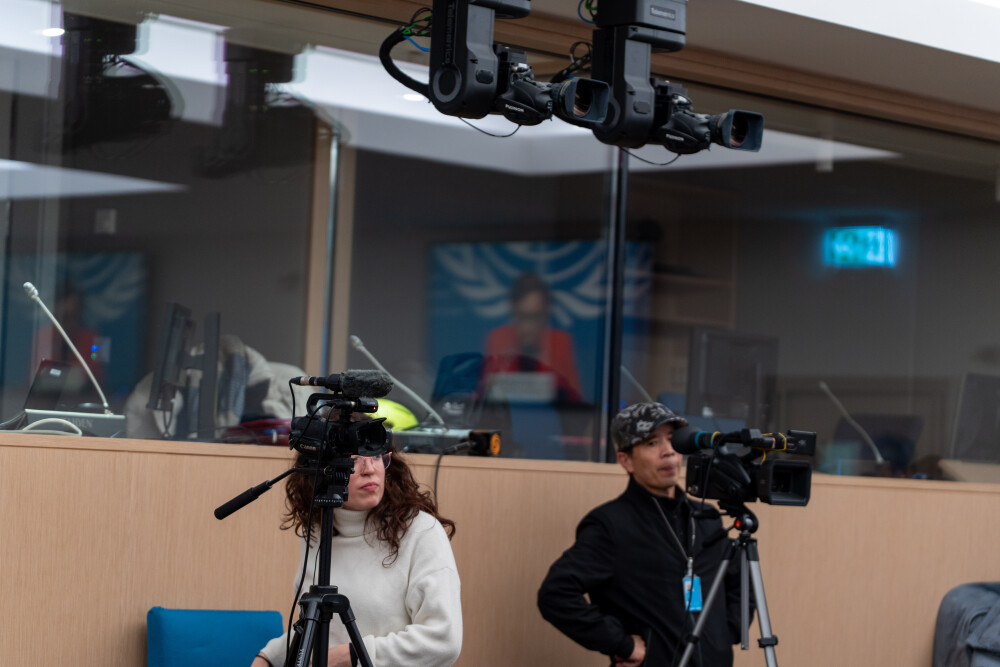
The least developed countries report 2025
UN Trade and Development Secretary-General Rebeca Grynspan speaks at the launch of the LDC 2025 Report at the Palais des Nations in Geneva on 10 February 2026. The event highlighted the growing role of services in least developed countries (LDCs) and examined whether services can become a genuine driver of structural transformation.
The launch featured contributions from Junior Davis, Officer-in-Charge of the Division for Africa, Least Developed Countries and Special Programmes (ALDC), and Matfobhi Riba, Economic Affairs Officer at UN Trade and Development.
The report finds that while services now account for around half of economic output in the average LDC, their expansion has yet to deliver broad-based development. Most service jobs remain low-skill, and LDCs account for just 0.16 per cent of global exports in digitally deliverable services. It concludes that services can support development only when closely linked to manufacturing, agriculture and other productive sectors, and when backed by investment in digital skills and infrastructure, active trade and investment policies, regional cooperation and stronger multilateral support.
As UN Trade and Development Secretary-General Rebeca Grynspan underscored:
“Services can reinforce industrialization, expand trade and enhance competitiveness, but only when supported by coherent national strategies and an enabling global environment. Without both, the same forces that create opportunity will deepen exclusion.”
Photo credit: UN Trade and Development/William Albors.
More info: <a href="https://unctad.org/publication/least-developed-countries-report-2025" rel="noreferrer nofollow">unctad.org/publication/least-developed-countries-report-2025</a>
flickr-55088427859.jpg
JPG - 5867
x 3911
The least developed countries report 2025
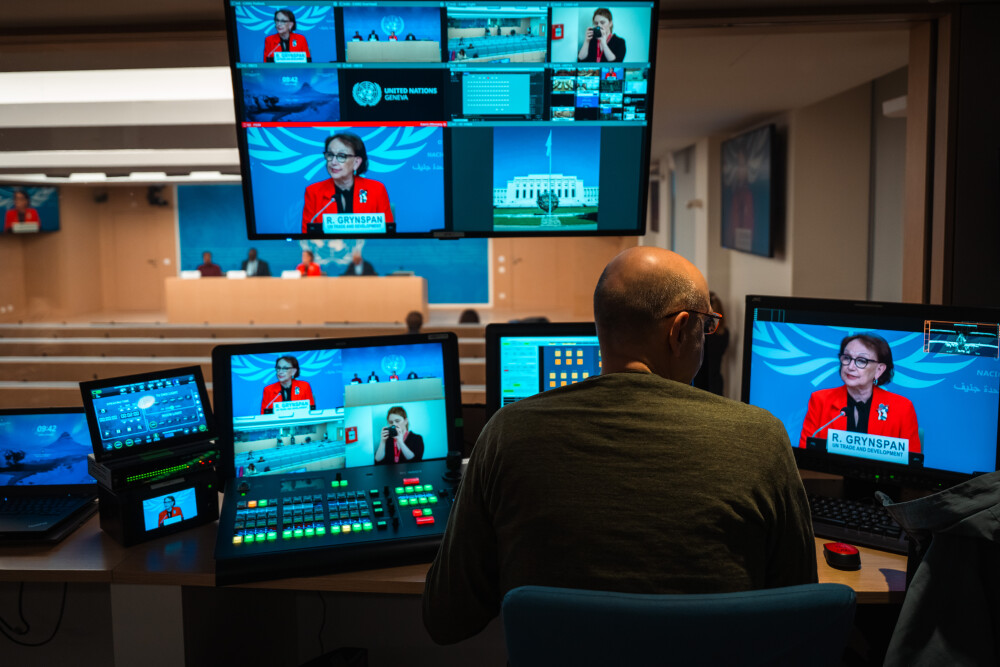
UN Trade and Development Secretary-General Rebeca Grynspan speaks at the launch of the LDC 2025 Report at the Palais des Nations in Geneva on 10 February 2026. The event highlighted the growing role of services in least developed countries (LDCs) and examined whether services can become a genuine driver of structural transformation.
The launch featured contributions from Junior Davis, Officer-in-Charge of the Division for Africa, Least Developed Countries and Special Programmes (ALDC), and Matfobhi Riba, Economic Affairs Officer at UN Trade and Development.
The report finds that while services now account for around half of economic output in the average LDC, their expansion has yet to deliver broad-based development. Most service jobs remain low-skill, and LDCs account for just 0.16 per cent of global exports in digitally deliverable services. It concludes that services can support development only when closely linked to manufacturing, agriculture and other productive sectors, and when backed by investment in digital skills and infrastructure, active trade and investment policies, regional cooperation and stronger multilateral support.
As UN Trade and Development Secretary-General Rebeca Grynspan underscored:
“Services can reinforce industrialization, expand trade and enhance competitiveness, but only when supported by coherent national strategies and an enabling global environment. Without both, the same forces that create opportunity will deepen exclusion.”
Photo credit: UN Trade and Development/William Albors.
More info: <a href="https://unctad.org/publication/least-developed-countries-report-2025" rel="noreferrer nofollow">unctad.org/publication/least-developed-countries-report-2025</a>
flickr-55088162131.jpg
JPG - 6577
x 4385
The least developed countries report 2025
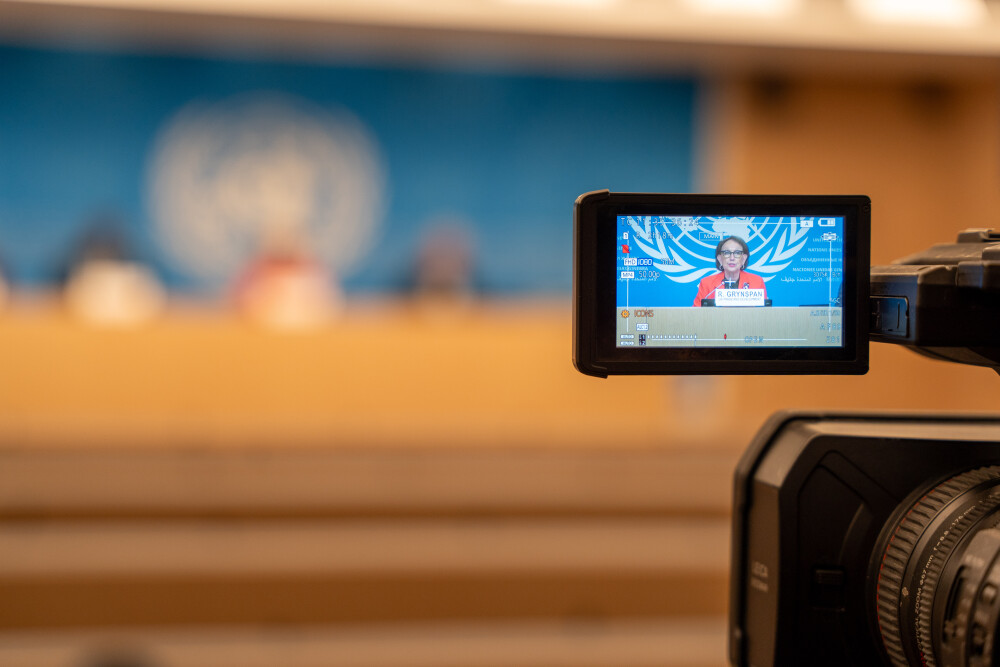
UN Trade and Development Secretary-General Rebeca Grynspan speaks at the launch of the LDC 2025 Report at the Palais des Nations in Geneva on 10 February 2026. The event highlighted the growing role of services in least developed countries (LDCs) and examined whether services can become a genuine driver of structural transformation.
The launch featured contributions from Junior Davis, Officer-in-Charge of the Division for Africa, Least Developed Countries and Special Programmes (ALDC), and Matfobhi Riba, Economic Affairs Officer at UN Trade and Development.
The report finds that while services now account for around half of economic output in the average LDC, their expansion has yet to deliver broad-based development. Most service jobs remain low-skill, and LDCs account for just 0.16 per cent of global exports in digitally deliverable services. It concludes that services can support development only when closely linked to manufacturing, agriculture and other productive sectors, and when backed by investment in digital skills and infrastructure, active trade and investment policies, regional cooperation and stronger multilateral support.
As UN Trade and Development Secretary-General Rebeca Grynspan underscored:
“Services can reinforce industrialization, expand trade and enhance competitiveness, but only when supported by coherent national strategies and an enabling global environment. Without both, the same forces that create opportunity will deepen exclusion.”
Photo credit: UN Trade and Development/William Albors.
More info: <a href="https://unctad.org/publication/least-developed-countries-report-2025" rel="noreferrer nofollow">unctad.org/publication/least-developed-countries-report-2025</a>
flickr-55088531800.jpg
JPG - 6955
x 4637
The least developed countries report 2025
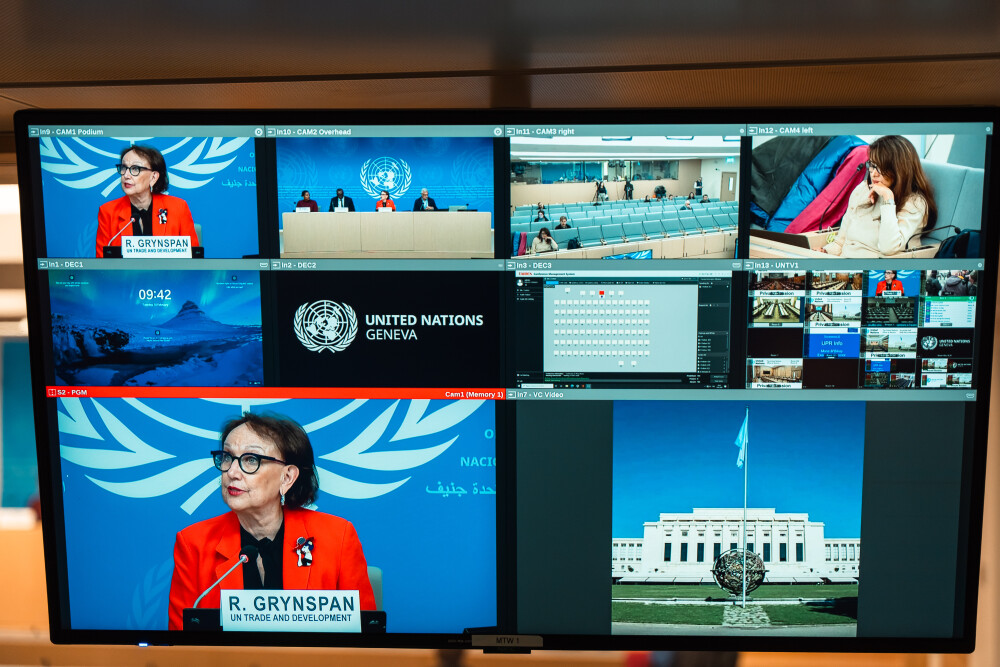
UN Trade and Development Secretary-General Rebeca Grynspan speaks at the launch of the LDC 2025 Report at the Palais des Nations in Geneva on 10 February 2026. The event highlighted the growing role of services in least developed countries (LDCs) and examined whether services can become a genuine driver of structural transformation.
The launch featured contributions from Junior Davis, Officer-in-Charge of the Division for Africa, Least Developed Countries and Special Programmes (ALDC), and Matfobhi Riba, Economic Affairs Officer at UN Trade and Development.
The report finds that while services now account for around half of economic output in the average LDC, their expansion has yet to deliver broad-based development. Most service jobs remain low-skill, and LDCs account for just 0.16 per cent of global exports in digitally deliverable services. It concludes that services can support development only when closely linked to manufacturing, agriculture and other productive sectors, and when backed by investment in digital skills and infrastructure, active trade and investment policies, regional cooperation and stronger multilateral support.
As UN Trade and Development Secretary-General Rebeca Grynspan underscored:
“Services can reinforce industrialization, expand trade and enhance competitiveness, but only when supported by coherent national strategies and an enabling global environment. Without both, the same forces that create opportunity will deepen exclusion.”
Photo credit: UN Trade and Development/William Albors.
More info: <a href="https://unctad.org/publication/least-developed-countries-report-2025" rel="noreferrer nofollow">unctad.org/publication/least-developed-countries-report-2025</a>
flickr-55088427954.jpg
JPG - 6870
x 4580
The least developed countries report 2025
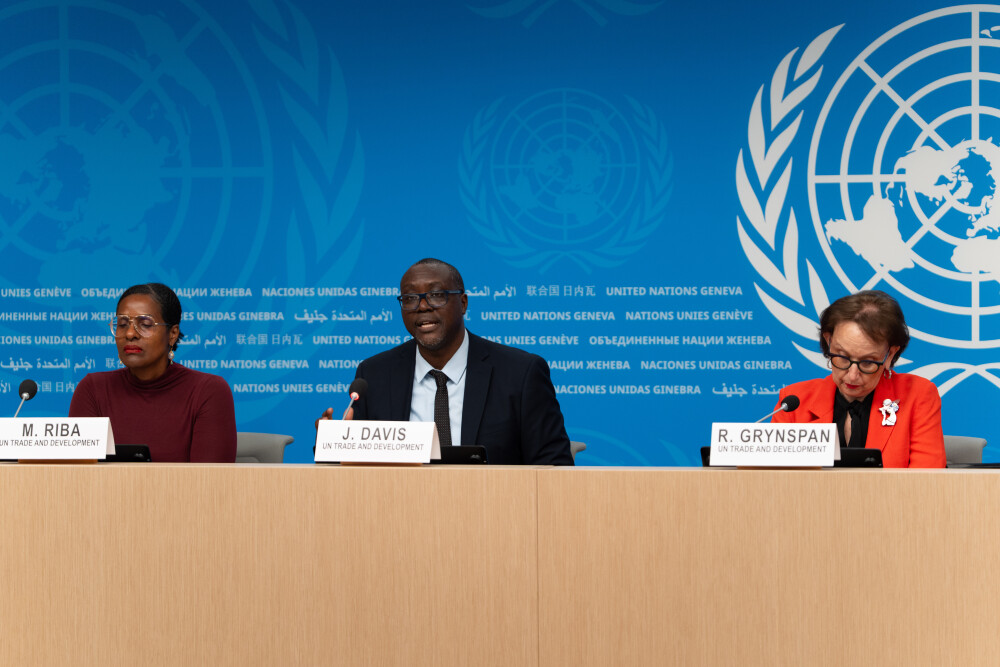
UN Trade and Development Secretary-General Rebeca Grynspan speaks at the launch of the LDC 2025 Report at the Palais des Nations in Geneva on 10 February 2026. The event highlighted the growing role of services in least developed countries (LDCs) and examined whether services can become a genuine driver of structural transformation.
The launch featured contributions from Junior Davis, Officer-in-Charge of the Division for Africa, Least Developed Countries and Special Programmes (ALDC), and Matfobhi Riba, Economic Affairs Officer at UN Trade and Development.
The report finds that while services now account for around half of economic output in the average LDC, their expansion has yet to deliver broad-based development. Most service jobs remain low-skill, and LDCs account for just 0.16 per cent of global exports in digitally deliverable services. It concludes that services can support development only when closely linked to manufacturing, agriculture and other productive sectors, and when backed by investment in digital skills and infrastructure, active trade and investment policies, regional cooperation and stronger multilateral support.
As UN Trade and Development Secretary-General Rebeca Grynspan underscored:
“Services can reinforce industrialization, expand trade and enhance competitiveness, but only when supported by coherent national strategies and an enabling global environment. Without both, the same forces that create opportunity will deepen exclusion.”
Photo credit: UN Trade and Development/William Albors.
More info: <a href="https://unctad.org/publication/least-developed-countries-report-2025" rel="noreferrer nofollow">unctad.org/publication/least-developed-countries-report-2025</a>
flickr-55088427964.jpg
JPG - 7008
x 4672
The least developed countries report 2025
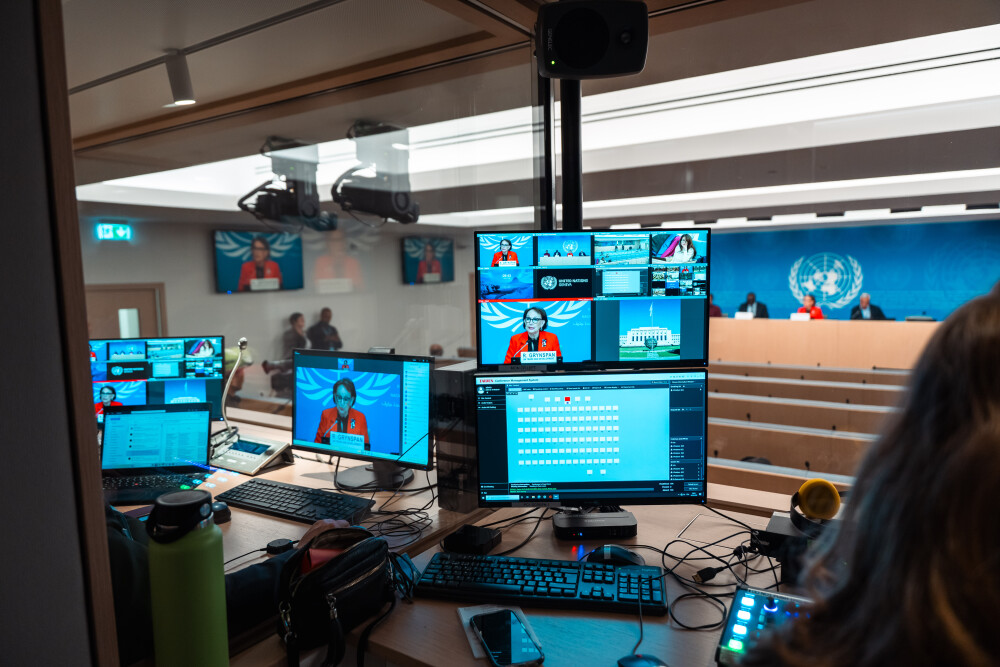
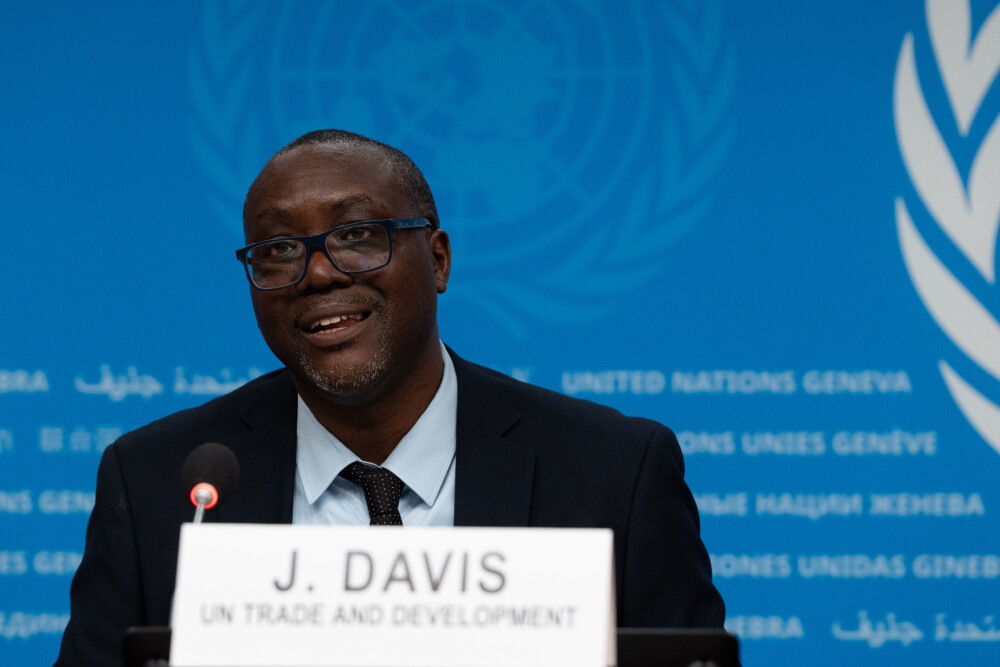
UN Trade and Development Secretary-General Rebeca Grynspan speaks at the launch of the LDC 2025 Report at the Palais des Nations in Geneva on 10 February 2026. The event highlighted the growing role of services in least developed countries (LDCs) and examined whether services can become a genuine driver of structural transformation.
The launch featured contributions from Junior Davis, Officer-in-Charge of the Division for Africa, Least Developed Countries and Special Programmes (ALDC), and Matfobhi Riba, Economic Affairs Officer at UN Trade and Development.
The report finds that while services now account for around half of economic output in the average LDC, their expansion has yet to deliver broad-based development. Most service jobs remain low-skill, and LDCs account for just 0.16 per cent of global exports in digitally deliverable services. It concludes that services can support development only when closely linked to manufacturing, agriculture and other productive sectors, and when backed by investment in digital skills and infrastructure, active trade and investment policies, regional cooperation and stronger multilateral support.
As UN Trade and Development Secretary-General Rebeca Grynspan underscored:
“Services can reinforce industrialization, expand trade and enhance competitiveness, but only when supported by coherent national strategies and an enabling global environment. Without both, the same forces that create opportunity will deepen exclusion.”
Photo credit: UN Trade and Development/William Albors.
More info: <a href="https://unctad.org/publication/least-developed-countries-report-2025" rel="noreferrer nofollow">unctad.org/publication/least-developed-countries-report-2025</a>
flickr-55088370193.jpg
JPG - 6265
x 4177
The least developed countries report 2025
UN Trade and Development Secretary-General Rebeca Grynspan speaks at the launch of the LDC 2025 Report at the Palais des Nations in Geneva on 10 February 2026. The event highlighted the growing role of services in least developed countries (LDCs) and examined whether services can become a genuine driver of structural transformation.
The launch featured contributions from Junior Davis, Officer-in-Charge of the Division for Africa, Least Developed Countries and Special Programmes (ALDC), and Matfobhi Riba, Economic Affairs Officer at UN Trade and Development.
The report finds that while services now account for around half of economic output in the average LDC, their expansion has yet to deliver broad-based development. Most service jobs remain low-skill, and LDCs account for just 0.16 per cent of global exports in digitally deliverable services. It concludes that services can support development only when closely linked to manufacturing, agriculture and other productive sectors, and when backed by investment in digital skills and infrastructure, active trade and investment policies, regional cooperation and stronger multilateral support.
As UN Trade and Development Secretary-General Rebeca Grynspan underscored:
“Services can reinforce industrialization, expand trade and enhance competitiveness, but only when supported by coherent national strategies and an enabling global environment. Without both, the same forces that create opportunity will deepen exclusion.”
Photo credit: UN Trade and Development/William Albors.
More info: <a href="https://unctad.org/publication/least-developed-countries-report-2025" rel="noreferrer nofollow">unctad.org/publication/least-developed-countries-report-2025</a>
flickr-55088531895.jpg
JPG - 6022
x 4015
The least developed countries report 2025
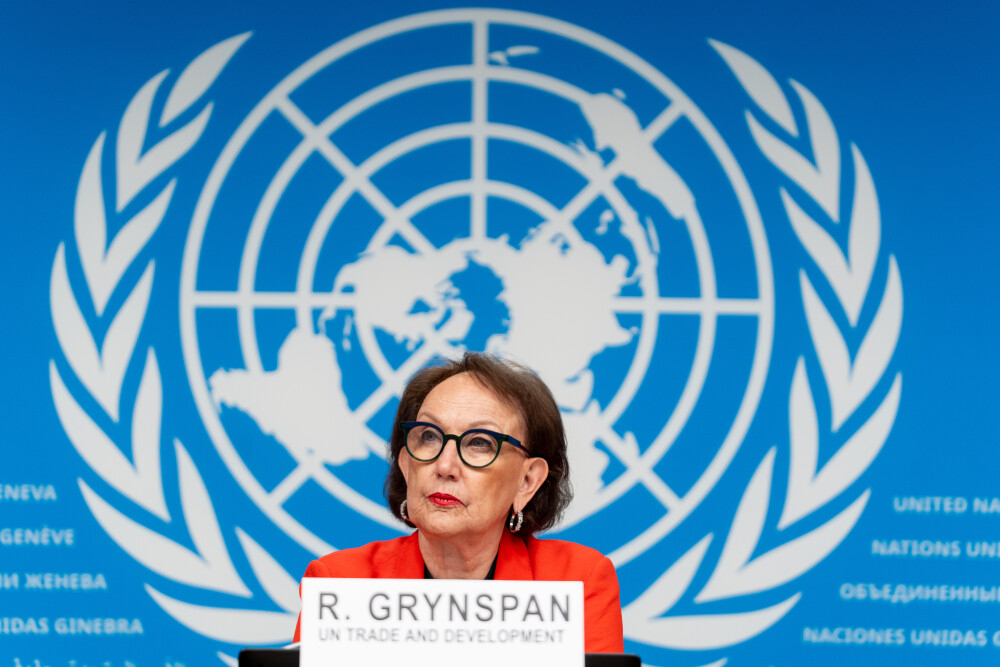
UN Trade and Development Secretary-General Rebeca Grynspan speaks at the launch of the LDC 2025 Report at the Palais des Nations in Geneva on 10 February 2026. The event highlighted the growing role of services in least developed countries (LDCs) and examined whether services can become a genuine driver of structural transformation.
The launch featured contributions from Junior Davis, Officer-in-Charge of the Division for Africa, Least Developed Countries and Special Programmes (ALDC), and Matfobhi Riba, Economic Affairs Officer at UN Trade and Development.
The report finds that while services now account for around half of economic output in the average LDC, their expansion has yet to deliver broad-based development. Most service jobs remain low-skill, and LDCs account for just 0.16 per cent of global exports in digitally deliverable services. It concludes that services can support development only when closely linked to manufacturing, agriculture and other productive sectors, and when backed by investment in digital skills and infrastructure, active trade and investment policies, regional cooperation and stronger multilateral support.
As UN Trade and Development Secretary-General Rebeca Grynspan underscored:
“Services can reinforce industrialization, expand trade and enhance competitiveness, but only when supported by coherent national strategies and an enabling global environment. Without both, the same forces that create opportunity will deepen exclusion.”
Photo credit: UN Trade and Development/William Albors.
More info: <a href="https://unctad.org/publication/least-developed-countries-report-2025" rel="noreferrer nofollow">unctad.org/publication/least-developed-countries-report-2025</a>
flickr-55088162066.jpg
JPG - 7008
x 4672
The least developed countries report 2025
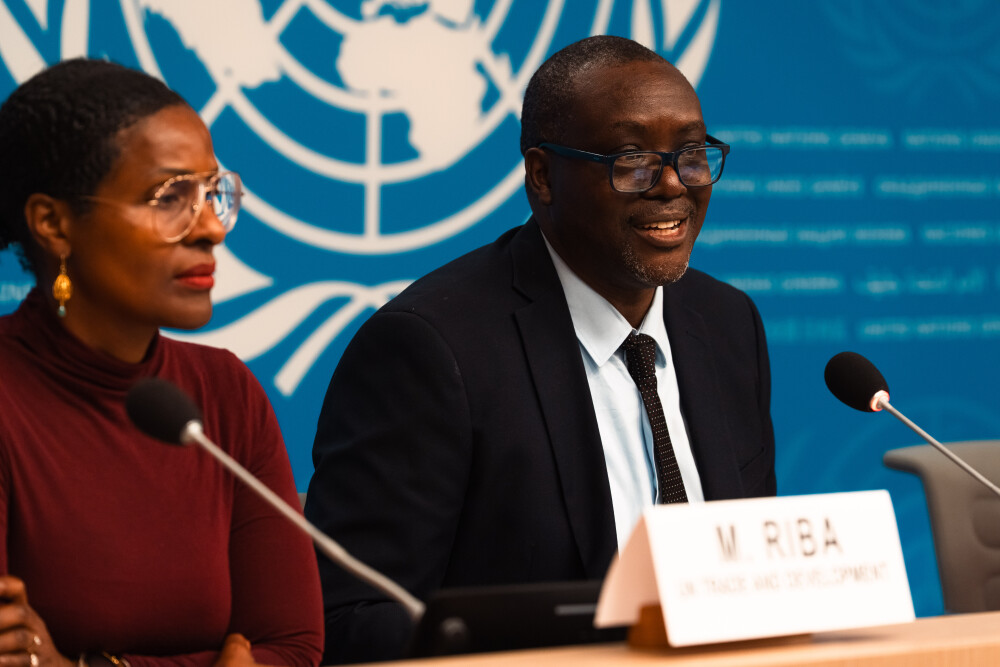
UN Trade and Development Secretary-General Rebeca Grynspan speaks at the launch of the LDC 2025 Report at the Palais des Nations in Geneva on 10 February 2026. The event highlighted the growing role of services in least developed countries (LDCs) and examined whether services can become a genuine driver of structural transformation.
The launch featured contributions from Junior Davis, Officer-in-Charge of the Division for Africa, Least Developed Countries and Special Programmes (ALDC), and Matfobhi Riba, Economic Affairs Officer at UN Trade and Development.
The report finds that while services now account for around half of economic output in the average LDC, their expansion has yet to deliver broad-based development. Most service jobs remain low-skill, and LDCs account for just 0.16 per cent of global exports in digitally deliverable services. It concludes that services can support development only when closely linked to manufacturing, agriculture and other productive sectors, and when backed by investment in digital skills and infrastructure, active trade and investment policies, regional cooperation and stronger multilateral support.
As UN Trade and Development Secretary-General Rebeca Grynspan underscored:
“Services can reinforce industrialization, expand trade and enhance competitiveness, but only when supported by coherent national strategies and an enabling global environment. Without both, the same forces that create opportunity will deepen exclusion.”
Photo credit: UN Trade and Development/William Albors.
More info: <a href="https://unctad.org/publication/least-developed-countries-report-2025" rel="noreferrer nofollow">unctad.org/publication/least-developed-countries-report-2025</a>
flickr-55088370228.jpg
JPG - 6717
x 4478
The least developed countries report 2025
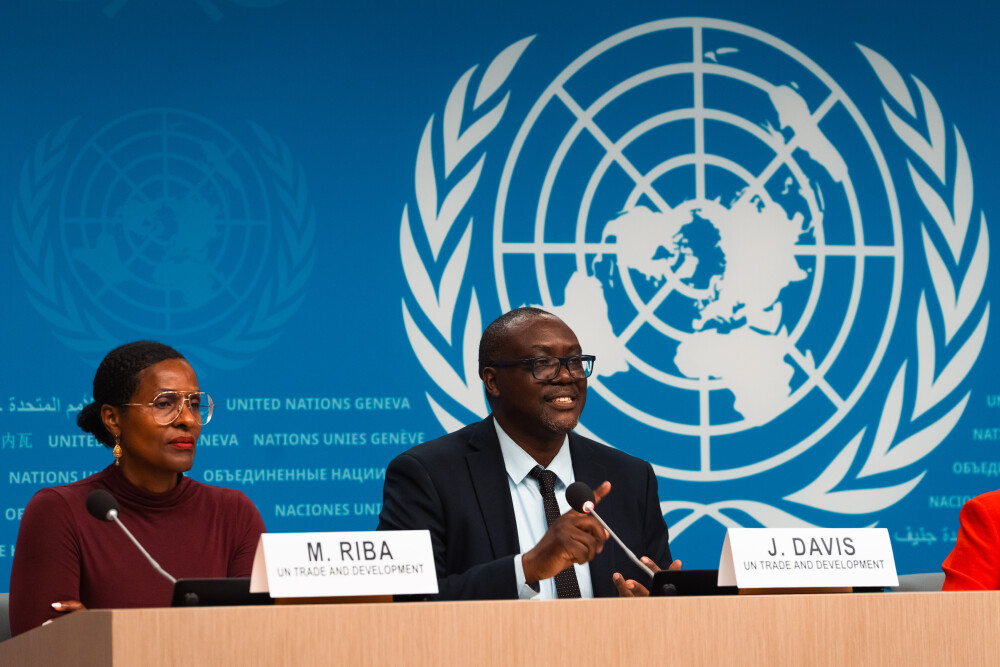
UN Trade and Development Secretary-General Rebeca Grynspan speaks at the launch of the LDC 2025 Report at the Palais des Nations in Geneva on 10 February 2026. The event highlighted the growing role of services in least developed countries (LDCs) and examined whether services can become a genuine driver of structural transformation.
The launch featured contributions from Junior Davis, Officer-in-Charge of the Division for Africa, Least Developed Countries and Special Programmes (ALDC), and Matfobhi Riba, Economic Affairs Officer at UN Trade and Development.
The report finds that while services now account for around half of economic output in the average LDC, their expansion has yet to deliver broad-based development. Most service jobs remain low-skill, and LDCs account for just 0.16 per cent of global exports in digitally deliverable services. It concludes that services can support development only when closely linked to manufacturing, agriculture and other productive sectors, and when backed by investment in digital skills and infrastructure, active trade and investment policies, regional cooperation and stronger multilateral support.
As UN Trade and Development Secretary-General Rebeca Grynspan underscored:
“Services can reinforce industrialization, expand trade and enhance competitiveness, but only when supported by coherent national strategies and an enabling global environment. Without both, the same forces that create opportunity will deepen exclusion.”
Photo credit: UN Trade and Development/William Albors.
More info: <a href="https://unctad.org/publication/least-developed-countries-report-2025" rel="noreferrer nofollow">unctad.org/publication/least-developed-countries-report-2025</a>
flickr-55088428074.jpg
JPG - 7008
x 4672
The least developed countries report 2025
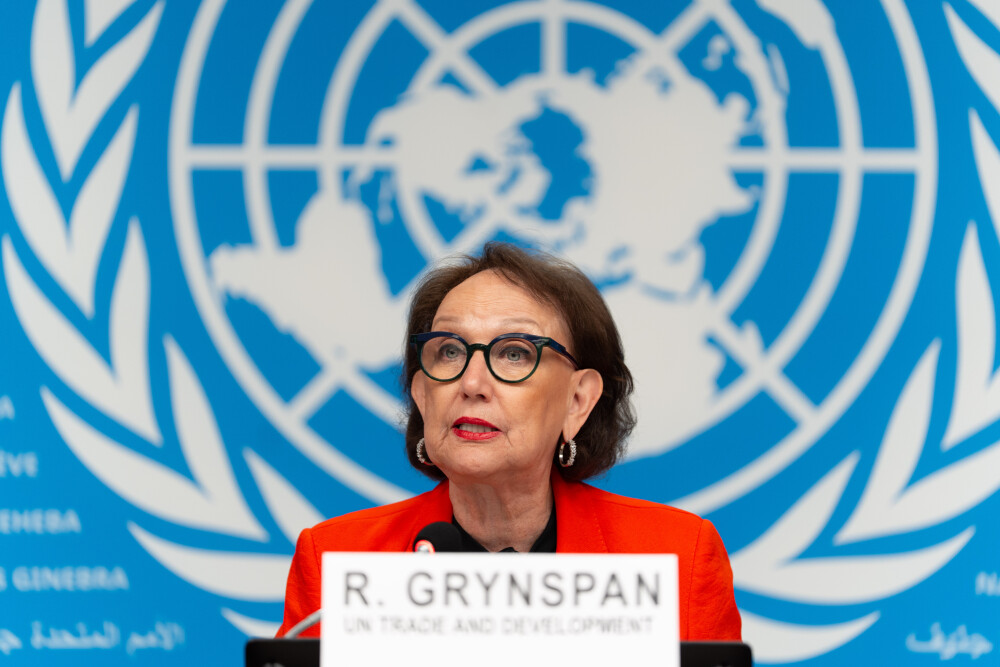
UN Trade and Development Secretary-General Rebeca Grynspan speaks at the launch of the LDC 2025 Report at the Palais des Nations in Geneva on 10 February 2026. The event highlighted the growing role of services in least developed countries (LDCs) and examined whether services can become a genuine driver of structural transformation.
The launch featured contributions from Junior Davis, Officer-in-Charge of the Division for Africa, Least Developed Countries and Special Programmes (ALDC), and Matfobhi Riba, Economic Affairs Officer at UN Trade and Development.
The report finds that while services now account for around half of economic output in the average LDC, their expansion has yet to deliver broad-based development. Most service jobs remain low-skill, and LDCs account for just 0.16 per cent of global exports in digitally deliverable services. It concludes that services can support development only when closely linked to manufacturing, agriculture and other productive sectors, and when backed by investment in digital skills and infrastructure, active trade and investment policies, regional cooperation and stronger multilateral support.
As UN Trade and Development Secretary-General Rebeca Grynspan underscored:
“Services can reinforce industrialization, expand trade and enhance competitiveness, but only when supported by coherent national strategies and an enabling global environment. Without both, the same forces that create opportunity will deepen exclusion.”
Photo credit: UN Trade and Development/William Albors.
More info: <a href="https://unctad.org/publication/least-developed-countries-report-2025" rel="noreferrer nofollow">unctad.org/publication/least-developed-countries-report-2025</a>
flickr-55088162101.jpg
JPG - 7008
x 4672
The least developed countries report 2025
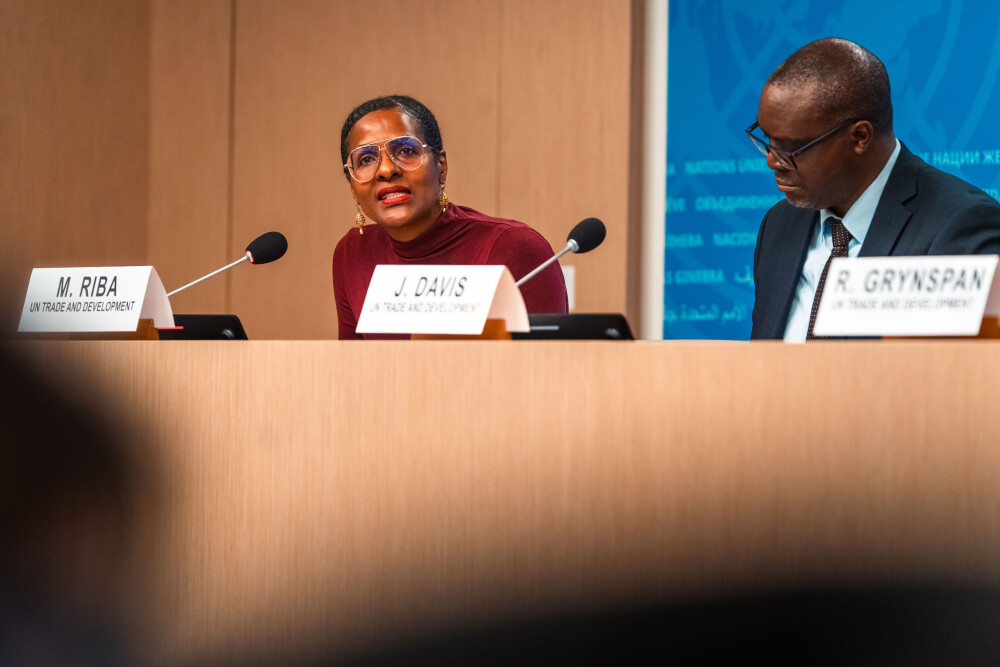
UN Trade and Development Secretary-General Rebeca Grynspan speaks at the launch of the LDC 2025 Report at the Palais des Nations in Geneva on 10 February 2026. The event highlighted the growing role of services in least developed countries (LDCs) and examined whether services can become a genuine driver of structural transformation.
The launch featured contributions from Junior Davis, Officer-in-Charge of the Division for Africa, Least Developed Countries and Special Programmes (ALDC), and Matfobhi Riba, Economic Affairs Officer at UN Trade and Development.
The report finds that while services now account for around half of economic output in the average LDC, their expansion has yet to deliver broad-based development. Most service jobs remain low-skill, and LDCs account for just 0.16 per cent of global exports in digitally deliverable services. It concludes that services can support development only when closely linked to manufacturing, agriculture and other productive sectors, and when backed by investment in digital skills and infrastructure, active trade and investment policies, regional cooperation and stronger multilateral support.
As UN Trade and Development Secretary-General Rebeca Grynspan underscored:
“Services can reinforce industrialization, expand trade and enhance competitiveness, but only when supported by coherent national strategies and an enabling global environment. Without both, the same forces that create opportunity will deepen exclusion.”
Photo credit: UN Trade and Development/William Albors.
More info: <a href="https://unctad.org/publication/least-developed-countries-report-2025" rel="noreferrer nofollow">unctad.org/publication/least-developed-countries-report-2025</a>
flickr-55088428079.jpg