24 February 2026 · 5 photos
Human Rights Council (HRC 61)
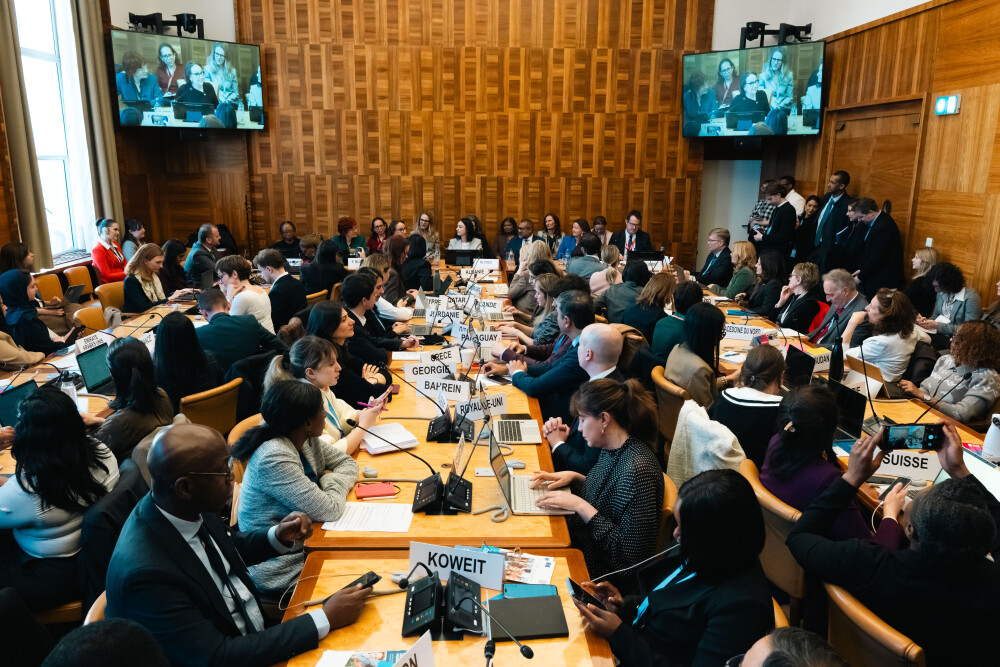
UN Trade and Development Secretary-General Rebeca Grynspan speaks at the Human Rights Council side event “Advancing Human Rights and Equality: Investing in Women’s Political Leadership in Multilateralism”, held in Room 9, Palais des Nations, Geneva.
5 photos
SG Rebeca Grynspan at HRC61 Side Event on Women’s Political Leadership
SG Rebeca Grynspan at HRC61 Side Event on Women’s Political Leadership
UN Trade and Development Secretary-General Rebeca Grynspan speaks at the Human Rights Council side event “Advancing Human Rights and Equality: Investing in Women’s Political Leadership in Multilateralism”, held in Room 9, Palais des Nations, Geneva.
In her remarks, the SG highlighted UN Trade and Development’s progress on gender equality, noting that the organization improved its UN-SWAP 2.0 performance from 44% in 2018 to 93% in 2024, surpassing both the UN Secretariat and UN system averages. She emphasized that gender mainstreaming is now embedded across UN Trade and Development’s analytical work, technical cooperation and programmes, and that gender parity has been achieved at the senior professional level.
At the same time, she warned that progress remains uneven globally. The proportion of women heading ministries fell to 22.9%, and at the current pace, equality in top leadership positions could take another 130 years. She underscored that multilateralism must reflect those it serves, stating that durable progress comes from expanding who is in the room when decisions are made.
Drawing on UN Trade and Development’s analytical work, she stressed that while trade rules may be written in gender-neutral terms, outcomes often are not—highlighting persistent financing gaps for women-owned businesses and structural barriers that continue to limit women’s full participation in the global economy.
Photo credit: UN Trade and development/William Albors flickr-55114069980.jpg
JPG
6657 × 4438px
SG Rebeca Grynspan at HRC61 Side Event on Women’s Political Leadership
SG Rebeca Grynspan at HRC61 Side Event on Women’s Political Leadership
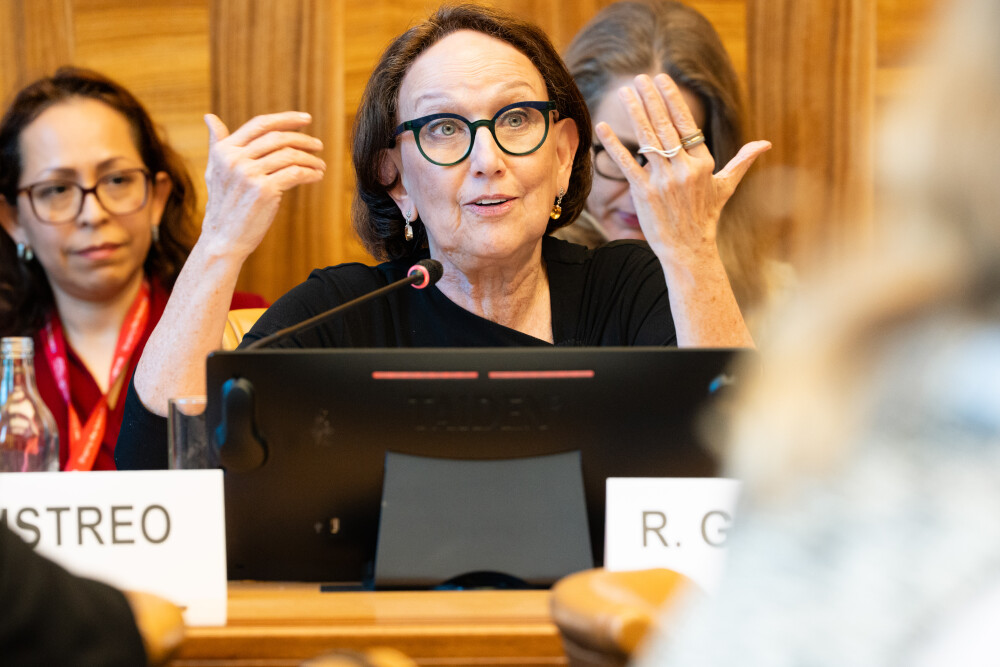
UN Trade and Development Secretary-General Rebeca Grynspan speaks at the Human Rights Council side event “Advancing Human Rights and Equality: Investing in Women’s Political Leadership in Multilateralism”, held in Room 9, Palais des Nations, Geneva.
In her remarks, the SG highlighted UN Trade and Development’s progress on gender equality, noting that the organization improved its UN-SWAP 2.0 performance from 44% in 2018 to 93% in 2024, surpassing both the UN Secretariat and UN system averages. She emphasized that gender mainstreaming is now embedded across UN Trade and Development’s analytical work, technical cooperation and programmes, and that gender parity has been achieved at the senior professional level.
At the same time, she warned that progress remains uneven globally. The proportion of women heading ministries fell to 22.9%, and at the current pace, equality in top leadership positions could take another 130 years. She underscored that multilateralism must reflect those it serves, stating that durable progress comes from expanding who is in the room when decisions are made.
Drawing on UN Trade and Development’s analytical work, she stressed that while trade rules may be written in gender-neutral terms, outcomes often are not—highlighting persistent financing gaps for women-owned businesses and structural barriers that continue to limit women’s full participation in the global economy.
Photo credit: UN Trade and development/William Albors flickr-55113944054.jpg
JPG
6244 × 4163px
SG Rebeca Grynspan at HRC61 Side Event on Women’s Political Leadership
SG Rebeca Grynspan at HRC61 Side Event on Women’s Political Leadership
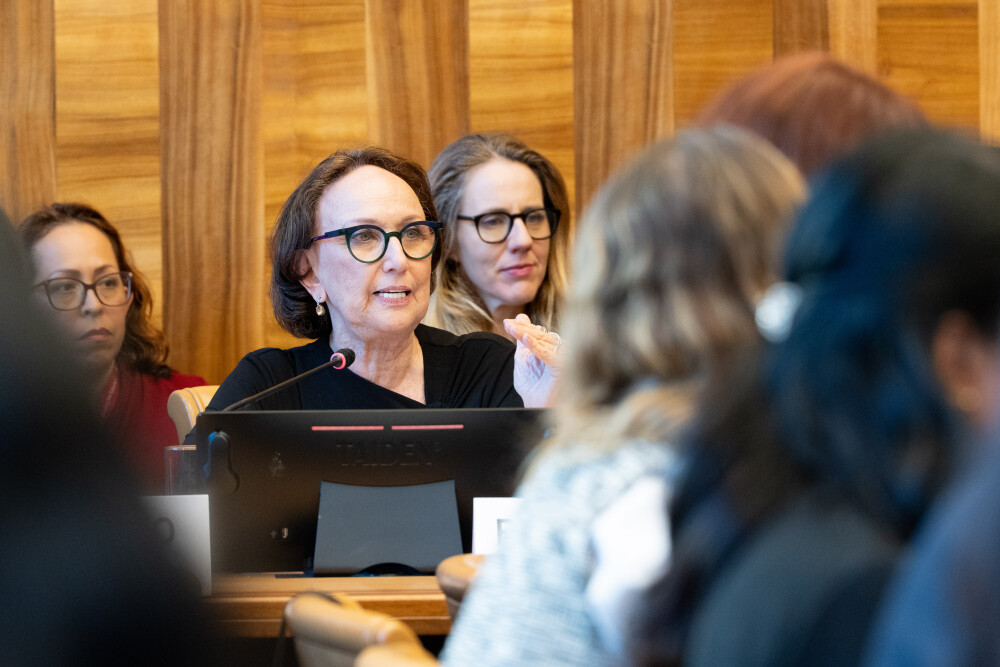
UN Trade and Development Secretary-General Rebeca Grynspan speaks at the Human Rights Council side event “Advancing Human Rights and Equality: Investing in Women’s Political Leadership in Multilateralism”, held in Room 9, Palais des Nations, Geneva.
In her remarks, the SG highlighted UN Trade and Development’s progress on gender equality, noting that the organization improved its UN-SWAP 2.0 performance from 44% in 2018 to 93% in 2024, surpassing both the UN Secretariat and UN system averages. She emphasized that gender mainstreaming is now embedded across UN Trade and Development’s analytical work, technical cooperation and programmes, and that gender parity has been achieved at the senior professional level.
At the same time, she warned that progress remains uneven globally. The proportion of women heading ministries fell to 22.9%, and at the current pace, equality in top leadership positions could take another 130 years. She underscored that multilateralism must reflect those it serves, stating that durable progress comes from expanding who is in the room when decisions are made.
Drawing on UN Trade and Development’s analytical work, she stressed that while trade rules may be written in gender-neutral terms, outcomes often are not—highlighting persistent financing gaps for women-owned businesses and structural barriers that continue to limit women’s full participation in the global economy.
Photo credit: UN Trade and development/William Albors flickr-55112801627.jpg
JPG
5727 × 3818px
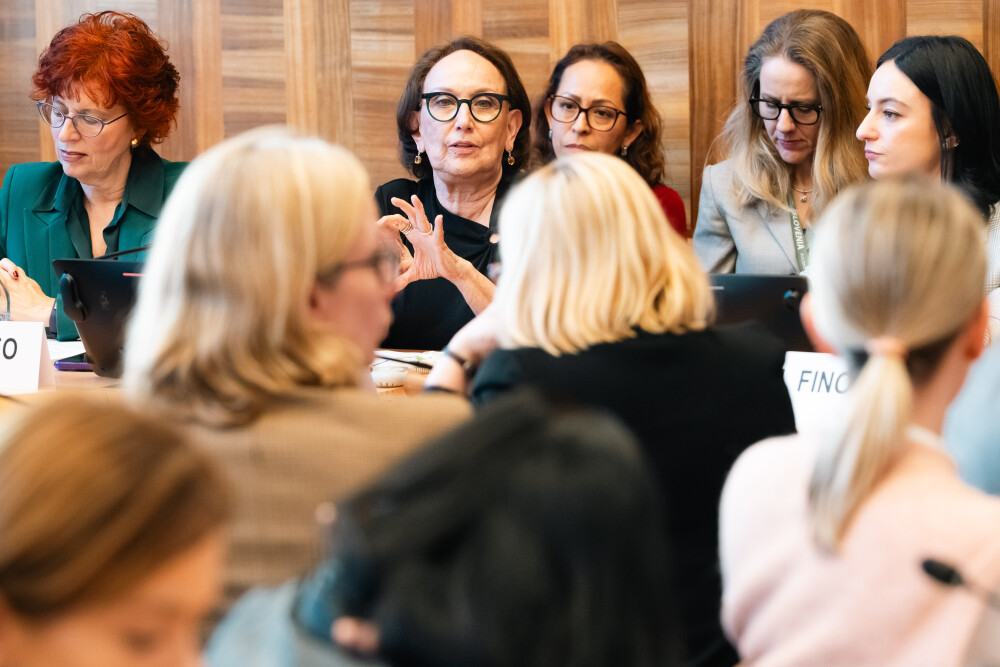
SG Rebeca Grynspan at HRC61 Side Event on Women’s Political Leadership
SG Rebeca Grynspan at HRC61 Side Event on Women’s Political Leadership
UN Trade and Development Secretary-General Rebeca Grynspan speaks at the Human Rights Council side event “Advancing Human Rights and Equality: Investing in Women’s Political Leadership in Multilateralism”, held in Room 9, Palais des Nations, Geneva.
In her remarks, the SG highlighted UN Trade and Development’s progress on gender equality, noting that the organization improved its UN-SWAP 2.0 performance from 44% in 2018 to 93% in 2024, surpassing both the UN Secretariat and UN system averages. She emphasized that gender mainstreaming is now embedded across UN Trade and Development’s analytical work, technical cooperation and programmes, and that gender parity has been achieved at the senior professional level.
At the same time, she warned that progress remains uneven globally. The proportion of women heading ministries fell to 22.9%, and at the current pace, equality in top leadership positions could take another 130 years. She underscored that multilateralism must reflect those it serves, stating that durable progress comes from expanding who is in the room when decisions are made.
Drawing on UN Trade and Development’s analytical work, she stressed that while trade rules may be written in gender-neutral terms, outcomes often are not—highlighting persistent financing gaps for women-owned businesses and structural barriers that continue to limit women’s full participation in the global economy.
Photo credit: UN Trade and development/William Albors flickr-55112801632.jpg
JPG
6552 × 4368px
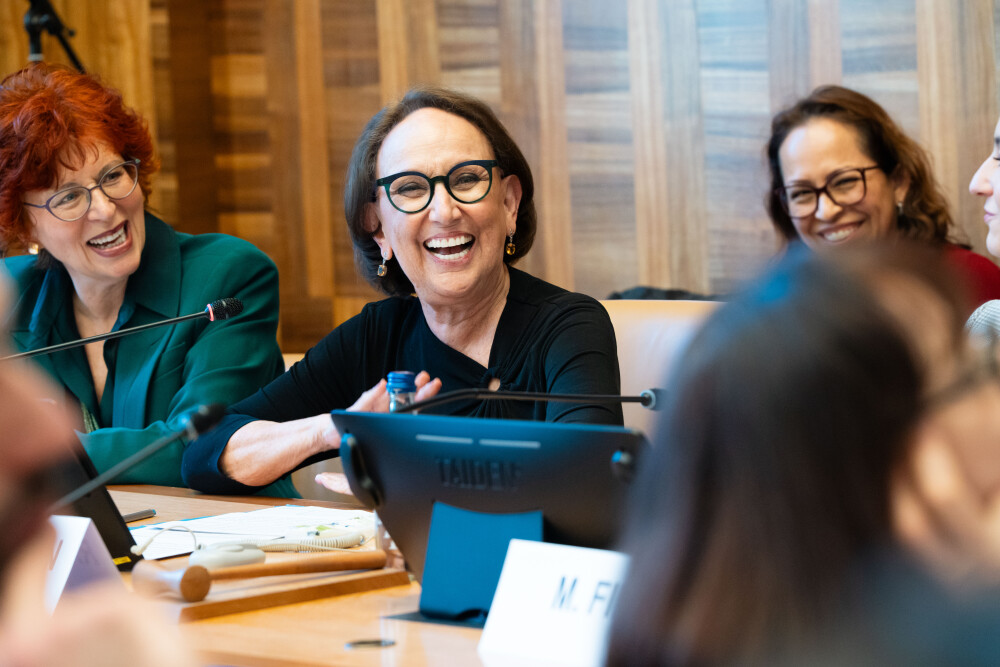
SG Rebeca Grynspan at HRC61 Side Event on Women’s Political Leadership
SG Rebeca Grynspan at HRC61 Side Event on Women’s Political Leadership
UN Trade and Development Secretary-General Rebeca Grynspan speaks at the Human Rights Council side event “Advancing Human Rights and Equality: Investing in Women’s Political Leadership in Multilateralism”, held in Room 9, Palais des Nations, Geneva.
In her remarks, the SG highlighted UN Trade and Development’s progress on gender equality, noting that the organization improved its UN-SWAP 2.0 performance from 44% in 2018 to 93% in 2024, surpassing both the UN Secretariat and UN system averages. She emphasized that gender mainstreaming is now embedded across UN Trade and Development’s analytical work, technical cooperation and programmes, and that gender parity has been achieved at the senior professional level.
At the same time, she warned that progress remains uneven globally. The proportion of women heading ministries fell to 22.9%, and at the current pace, equality in top leadership positions could take another 130 years. She underscored that multilateralism must reflect those it serves, stating that durable progress comes from expanding who is in the room when decisions are made.
Drawing on UN Trade and Development’s analytical work, she stressed that while trade rules may be written in gender-neutral terms, outcomes often are not—highlighting persistent financing gaps for women-owned businesses and structural barriers that continue to limit women’s full participation in the global economy.
Photo credit: UN Trade and development/William Albors flickr-55113682311.jpg
JPG
7008 × 4672px