
28 October 2022 · 8 photos
Honey "green export" project in Angola
The Angolan government sees honey as a product that could help diversify the country’s oil-dependent economy and is working with UNCTAD and the European Union to improve production and boost exports.
A study conducted by UNCTAD and national stakeholders identified honey as a promising “green” product that could help diversify exports while minimizing environmental impacts and creating new economic opportunities in rural communities.
Although Angola only produces around 90 tons of honey a year, UNCTAD estimates show this could increase to 200 tonnes with improved production methods.
While working with the various actors in the honey sector to improve production methods, UNCTAD has particularly focused on how the project can empower women.
In Angola, beekeeping has traditionally been seen as an activity for men. Training women as beekeepers helps to uplift their skills while diversifying and renewing the industry.
More: bit.ly/3Jb86l0
8 photos
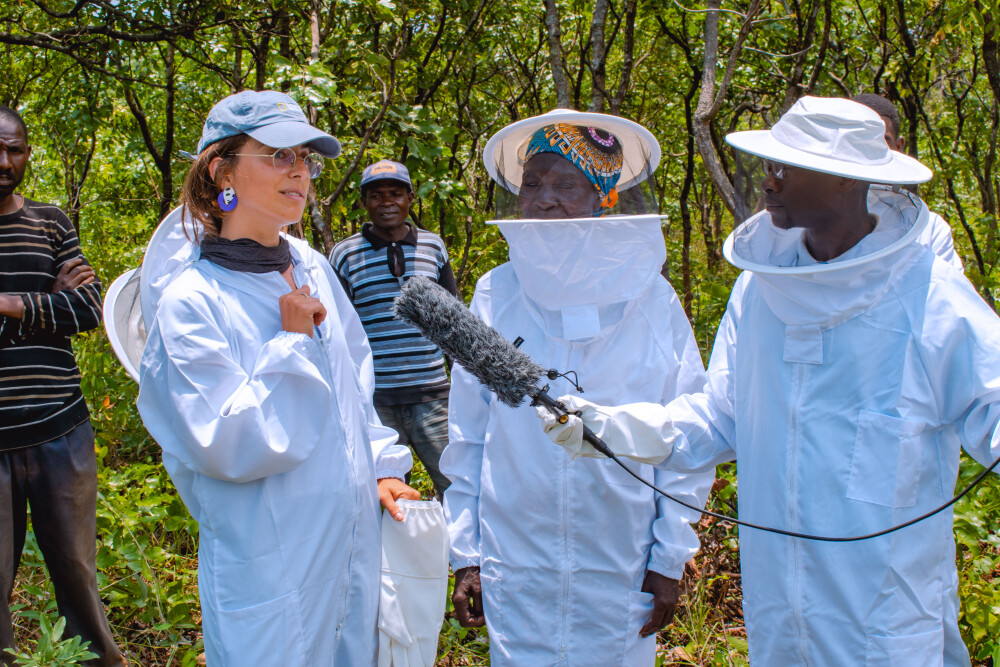
Marisa Rodrigues and Júlia Nangueve
Marisa Rodrigues and Júlia Nangueve
Bailundo, Angola | 27-30 October 2022.
Marisa Rodrigues and Júlia Nangueve being interviewed during a workshop to train beekeepers in Angola.
Photo credit: Ovimbundu Filmes
More: <a href="https://bit.ly/3Jb86l0" rel="noreferrer nofollow">bit.ly/3Jb86l0</a> flickr-52776991698.jpg
JPG
6000 × 4000px
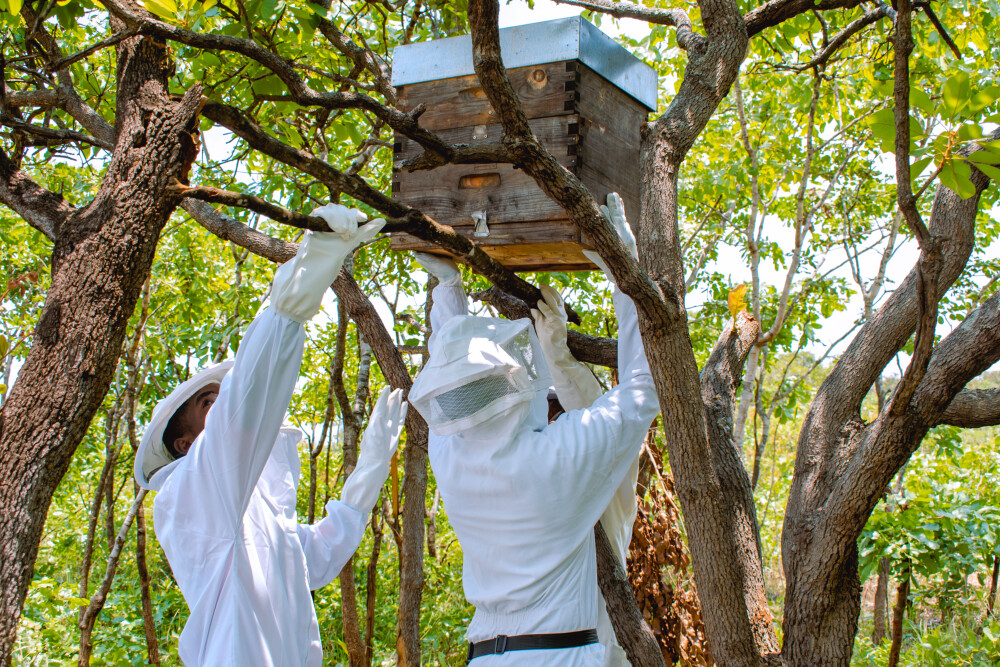
Installing a modern beehive in Angola
Installing a modern beehive in Angola
Bailundo, Angola | 27-30 October 2022.
Project participants learn to install a modern beehive in Bailundo, Angola.
Photo credit: Ovimbundu Filmes
More: <a href="https://bit.ly/3Jb86l0" rel="noreferrer nofollow">bit.ly/3Jb86l0</a> flickr-52776923880.jpg
JPG
6000 × 4000px
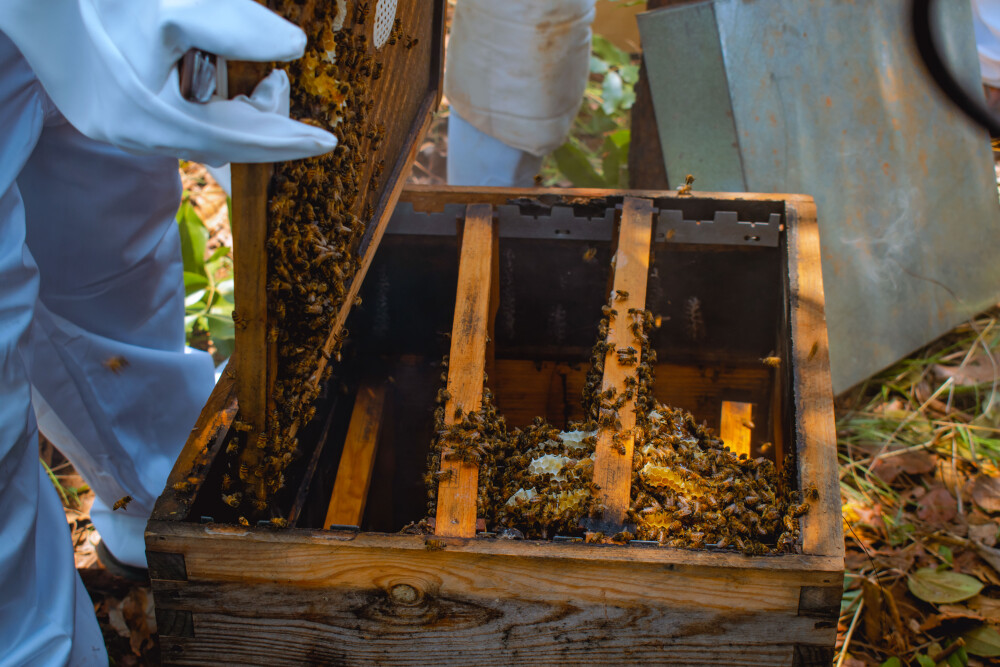
Inspecting a beehive in Angola
Inspecting a beehive in Angola
Bailundo, Angola | 27-30 October 2022.
A training participant inspects a beehive.
Photo credit: Ovimbundu Filmes
More: <a href="https://bit.ly/3Jb86l0" rel="noreferrer nofollow">bit.ly/3Jb86l0</a> flickr-52776509786.jpg
JPG
6000 × 4000px
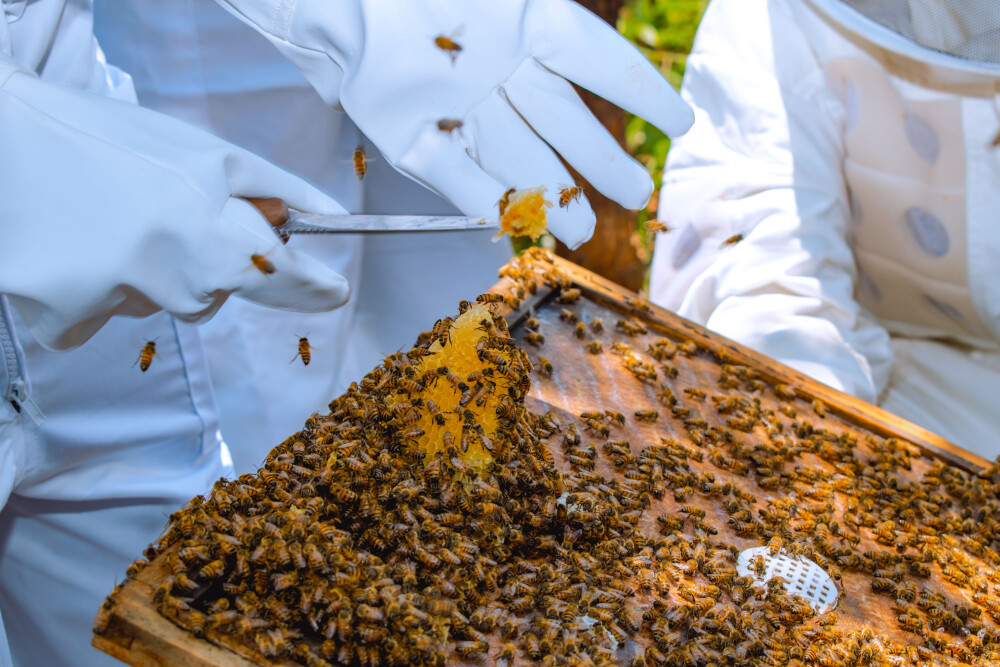
Inspecting a beehive in Angola
Inspecting a beehive in Angola
Bailundo, Angola | 27-30 October 2022.
A training participant inspects a beehive.
Photo credit: Ovimbundu Filmes
More: <a href="https://bit.ly/3Jb86l0" rel="noreferrer nofollow">bit.ly/3Jb86l0</a> flickr-52776923840.jpg
JPG
6000 × 4000px
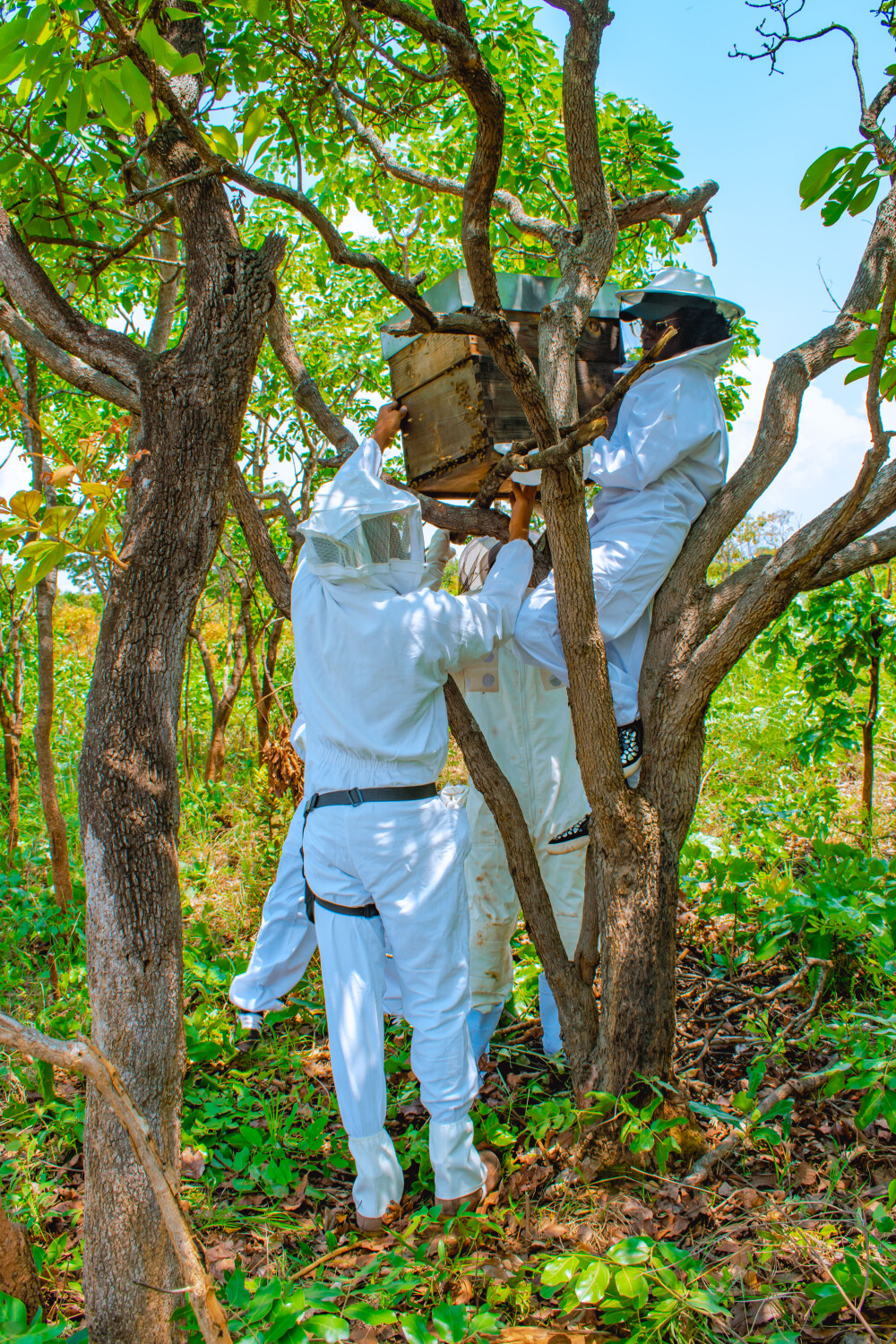
Installing a modern beehive in Angola
Installing a modern beehive in Angola
Bailundo, Angola | 27-30 October 2022.
Project participants learn to install a modern beehive in Bailundo, Angola.
Photo credit: Ovimbundu Filmes
More: <a href="https://bit.ly/3Jb86l0" rel="noreferrer nofollow">bit.ly/3Jb86l0</a> flickr-52776991598.jpg
JPG
4000 × 6000px
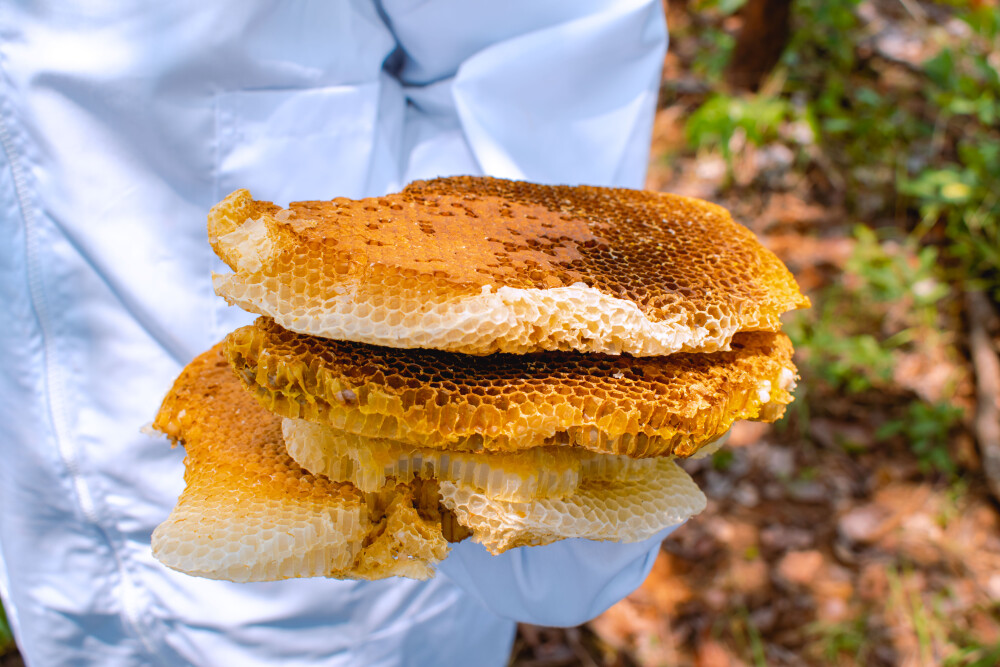
Honeycomb in Angola
Honeycomb in Angola
Bailundo, Angola | 27-30 October 2022.
A training participant with freshly harvested honeycomb.
Photo credit: Ovimbundu Filmes
More: <a href="https://bit.ly/3Jb86l0" rel="noreferrer nofollow">bit.ly/3Jb86l0</a> flickr-52776923815.jpg
JPG
6000 × 4000px
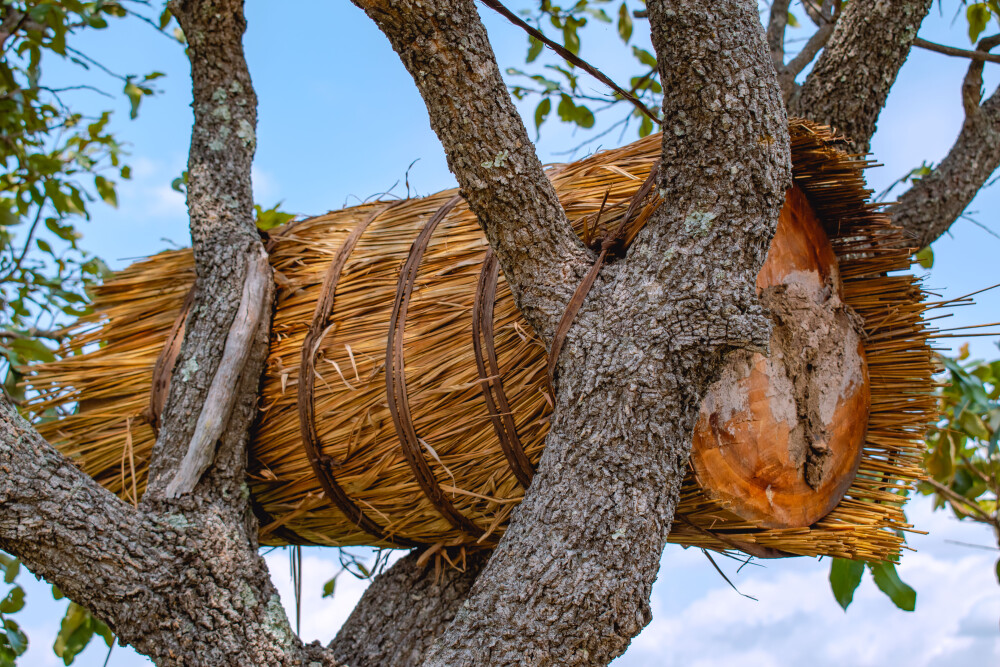
A traditional beehive in Bailundo, Angola.
A traditional beehive in Bailundo, Angola.
A traditional beehive in Bailundo, Angola.
Photo credit: Ovimbundu Filmes
More: <a href="https://bit.ly/3Jb86l0" rel="noreferrer nofollow">bit.ly/3Jb86l0</a> flickr-52776991628.jpg
JPG
6000 × 4000px
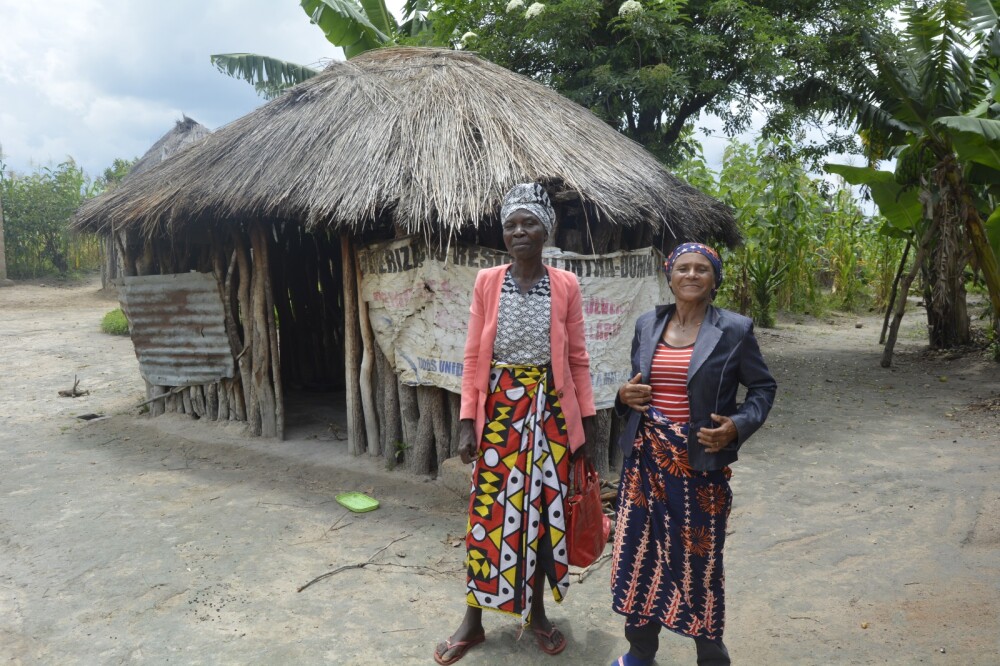
Júlia Nangueve and Mavilde de Assunção Alves
Júlia Nangueve and Mavilde de Assunção Alves
Bailundo, Angola | 27-30 October 2022.
Júlia Nangueve (left) and Mavilde de Assunção Alves (right) are participants of an UNCTAD project to train
beekeepers in Angola.
Photo credit: Max Vicente
More: <a href="https://bit.ly/3Jb86l0" rel="noreferrer nofollow">bit.ly/3Jb86l0</a> flickr-52776766699.jpg
JPG
1600 × 1066px